 English
 Nederlands
 Français
 Deutsch
 Español
 Polski
 Русский
 العربية
 Română
Call us on +32 (0) 51 57 58 58 or contact us.
Clutch and brake pedal
- New Thanks to our product knowledge and built-up relationships with manufacturers worldwide, we found the most reliable alternatives. Best price-quality.
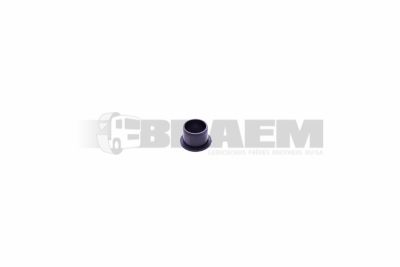 Availability: Immediately availableMB124.292.00.50€1.11
Guide price excl. VAT
Equivalenten:
MB124.292.00.50, 1242920050, A1242920050, MB990.292.03.00, 9902920300, A9902920300 - New Thanks to our product knowledge and built-up relationships with manufacturers worldwide, we found the most reliable alternatives. Best price-quality.
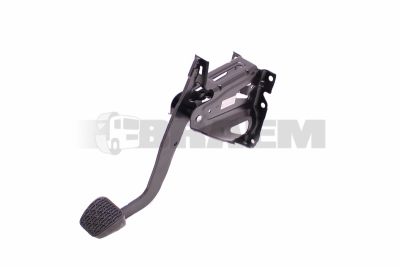 Availability: Immediately availableMB906.290.11.01€95.28
Guide price excl. VAT
Equivalenten:
MB906.290.11.01, 9062901101, A9062901101 - New Thanks to our product knowledge and built-up relationships with manufacturers worldwide, we found the most reliable alternatives. Best price-quality.
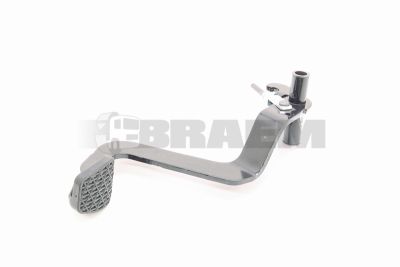 Availability: Immediately availableMB940.290.01.18€79.75
Guide price excl. VAT
Equivalenten:
MB940.290.01.18.OCC, 9402900118OCC, A9402900118OCC, MB940.290.01.18, 9402900118, A9402900118 - Second-Hand Recovered from used trucks, we offer these parts. They are still in top condition and can last a long time.
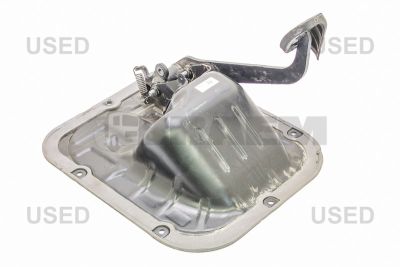 Availability: Immediately availableMB960.290.13.19.OCC
 €313.66
Guide price excl. VAT
Equivalenten:
MB960.290.13.19.OCC, 9602901319OCC, A9602901319OCC, MB960.290.13.19, 9602901319, A9602901319 - New Thanks to our product knowledge and built-up relationships with manufacturers worldwide, we found the most reliable alternatives. Best price-quality.
 Availability: Immediately availableSIL1324 €7.20
Guide price excl. VAT
Equivalenten:
FEB07534, 07534, DT4.80302, 480302, SIL1324, 1324, MB201.292.00.82, 2012920082, A2012920082, MB990.292.00.82, 9902920082, A9902920082 - Nearly New Barely used and therefore a great opportunity! Buy these parts as if they were new, at advantageous prices.
 Availability: Immediately available81.48225.5137.NNP €257.25
Guide price excl. VAT
Equivalenten:
81.48225.5137, 81482255137, 81.48225-5137, 81.48225.5137.NNP, 81482255137NNP, 81.48225-5137.NNP - Second-Hand Recovered from used trucks, we offer these parts. They are still in top condition and can last a long time. Availability: Immediately availableMB960.292.04.01.OCC €43.77
Guide price excl. VAT
Equivalenten:
MB960.292.04.01.OCC, 9602920401OCC, A9602920401OCC, MB960.292.04.01, 9602920401, A9602920401 - Second-Hand Recovered from used trucks, we offer these parts. They are still in top condition and can last a long time.
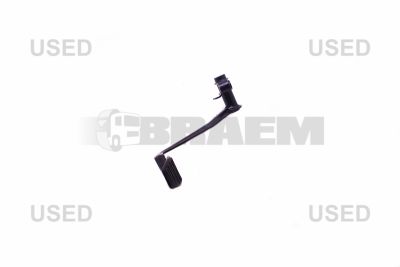 Availability: Request availability81.48225.5137.OCC €220.50
Guide price excl. VAT
Equivalenten:
81.48225.5137, 81482255137, 81.48225-5137, 81.48225.5137.OCC, 81482255137OCC, 81.48225-5137.OCC - Second-Hand Recovered from used trucks, we offer these parts. They are still in top condition and can last a long time.
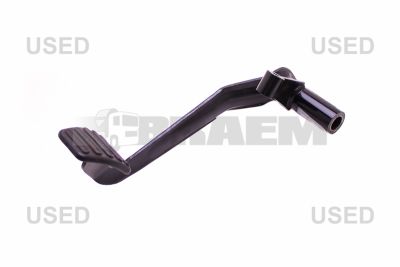 Availability: Request availability81.48225.5146.OCC €147.60
Guide price excl. VAT
Equivalenten:
81.48225.5146, 81482255146, 81.48225-5146, 81.48225.5146.OCC, 81482255146OCC, 81.48225-5146.OCC - Second-Hand Recovered from used trucks, we offer these parts. They are still in top condition and can last a long time.
 Availability: Request availability81.48225.5148.OCC €181.50
Guide price excl. VAT
Equivalenten:
81.48225.5148, 81482255148, 81.48225-5148, 81.48225.5148.OCC, 81482255148OCC, 81.48225-5148.OCC - New Thanks to our product knowledge and built-up relationships with manufacturers worldwide, we found the most reliable alternatives. Best price-quality.
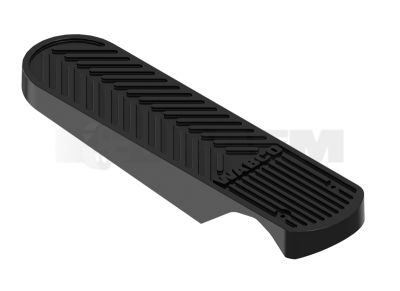 Availability: Request availability81.48227.0009€61.43
Guide price excl. VAT
Equivalenten:
81.48227.0009, 81482270009, 81.48227-0009, 81482270009, 81482270009, WES461.318.920.2, 4613189202, MB000.292.02.82, 0002920282, A0002920282 - Second-Hand Recovered from used trucks, we offer these parts. They are still in top condition and can last a long time.
 Availability: Request availability81.48235.5079.OCC €165.00
Guide price excl. VAT
Equivalenten:
81.48235.5079, 81482355079, 81.48235-5079, 81.48235.5079.OCC, 81482355079OCC, 81.48235-5079.OCC - Second-Hand Recovered from used trucks, we offer these parts. They are still in top condition and can last a long time.
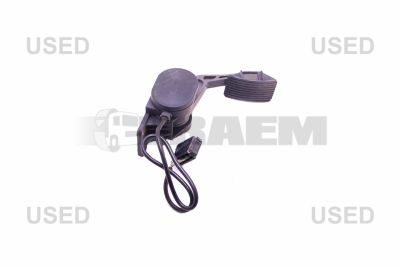 Availability: Request availabilityMB000.290.02.01.OCC €369.19
Guide price excl. VAT
Equivalenten:
MER000.290.02.01, 0002900201, A0002900201, MB000.290.02.01.OCC, 0002900201OCC, A0002900201OCC, MB000.290.02.01, 0002900201, A0002900201, MB990.290.01.00, 9902900100 ... - Second-Hand Recovered from used trucks, we offer these parts. They are still in top condition and can last a long time.
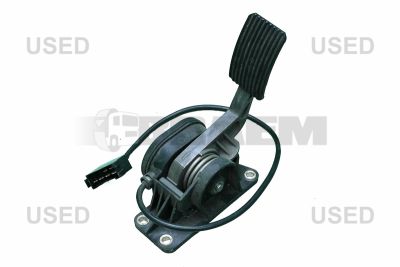 Availability: Request availabilityMB000.290.03.01.OCC €369.19
Guide price excl. VAT
Equivalenten:
MB000.290.03.01.OCC, 0002900301OCC, A0002900301OCC, MB000.290.03.01, 0002900301, A0002900301 - Second-Hand Recovered from used trucks, we offer these parts. They are still in top condition and can last a long time.
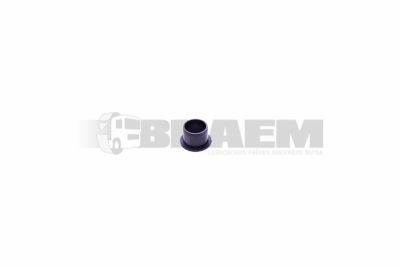 Availability: Request availabilityMB124.292.00.50.OCC €0.67
Guide price excl. VAT
Equivalenten:
MB990.292.03.00, 9902920300, A9902920300 - New Thanks to our product knowledge and built-up relationships with manufacturers worldwide, we found the most reliable alternatives. Best price-quality.
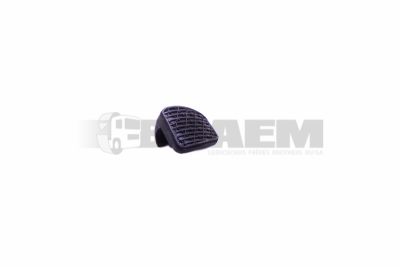 Availability: Request availabilityMB201.292.00.82€12.14
Guide price excl. VAT
Equivalenten:
SIL1324, 1324, MB201.292.00.82, 2012920082, A2012920082, MB990.292.00.82, 9902920082, A9902920082 - Second-Hand Recovered from used trucks, we offer these parts. They are still in top condition and can last a long time.
 Availability: Request availabilityMB201.292.00.82.OCC €8.10
Guide price excl. VAT
Equivalenten:
MB990.292.00.82, 9902920082, A9902920082 - Second-Hand Recovered from used trucks, we offer these parts. They are still in top condition and can last a long time.
 Availability: Request availabilityMB667.290.03.19.OCC €60.84
Guide price excl. VAT
Equivalenten:
MER667.290.03.19, 6672900319, A6672900319, MB667.290.03.19.OCC, 6672900319OCC, A6672900319OCC, MB667.290.03.19, 6672900319, A6672900319 - New Thanks to our product knowledge and built-up relationships with manufacturers worldwide, we found the most reliable alternatives. Best price-quality.
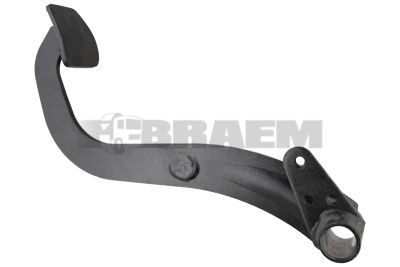 Availability: Request availabilityMB673.290.08.16€29.56
Guide price excl. VAT
Equivalenten:
MB673.290.08.16, 6732900816, A6732900816 - Second-Hand Recovered from used trucks, we offer these parts. They are still in top condition and can last a long time.
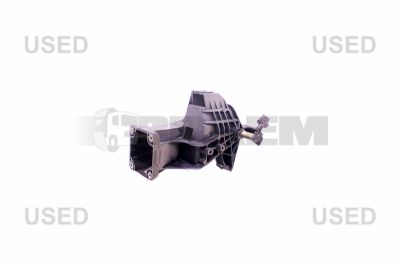 Availability: Request availabilityMB901.290.11.19.OCC €39.47
Guide price excl. VAT
Equivalenten:
MER901.290.11.19, 9012901119, A9012901119, MB901.290.11.19.OCC, 9012901119OCC, A9012901119OCC, MB901.290.11.19, 9012901119, A9012901119 - Second-Hand Recovered from used trucks, we offer these parts. They are still in top condition and can last a long time.
 Availability: Request availabilityMB901.290.24.16.OCC €16.51
Guide price excl. VAT
Equivalenten:
MER901.290.24.16, 9012902416, A9012902416, MB901.290.24.16.OCC, 9012902416OCC, A9012902416OCC, MB901.290.24.16, 9012902416, A9012902416 - New Thanks to our product knowledge and built-up relationships with manufacturers worldwide, we found the most reliable alternatives. Best price-quality.
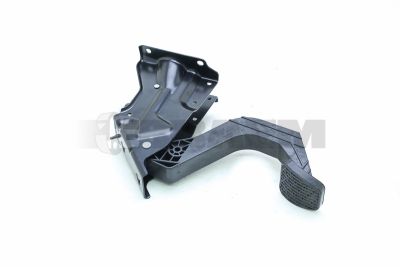 Availability: Request availabilityMB906.290.05.01€68.62
Guide price excl. VAT
Equivalenten:
MB906.290.05.01.OCC, 9062900501OCC, A9062900501OCC, MB906.290.05.01, 9062900501, A9062900501 - Second-Hand Recovered from used trucks, we offer these parts. They are still in top condition and can last a long time.
 Availability: Request availabilityMB906.290.05.01.OCC €41.66
Guide price excl. VAT
Equivalenten:
MER906.290.05.01, 9062900501, A9062900501, MB906.290.05.01.OCC, 9062900501OCC, A9062900501OCC, MB906.290.05.01, 9062900501, A9062900501 - Second-Hand Recovered from used trucks, we offer these parts. They are still in top condition and can last a long time.
 Availability: Request availabilityMB906.290.09.01.OCC €57.85
Guide price excl. VAT
Equivalenten:
MER906.290.09.01, 9062900901, A9062900901, MB906.290.09.01.OCC, 9062900901OCC, A9062900901OCC, MB906.290.09.01, 9062900901, A9062900901
Clutch and brake pedals form the mechanical interface between the driver and the drivetrain or braking system. Even slight play, a stiff pivot point or a damaged pedal arm can lead to imprecise operation, increased driver fatigue and safety risks during intensive use. These components are found in MAN F90, F2000, TGL, TGM, TGA, TGS, TGX, TG3 and TGE, as well as Mercedes LN, SK, Atego, Axor, Actros, Arocs, Econic, Sprinter and Vito vehicles. On MAN Lion’s City, Lion’s Coach, Mercedes Citaro and Neoplan coaches, the design, pedal angle and actuation are also vehicle-specific. Always identify clutch and brake pedals, pedal brackets, pivot points and return springs using the chassis number. Visual comparison or selection based solely on the model name is never sufficient.
A pedal assembly generally consists of a steel or forged pedal arm, a welded or bolted pedal bracket, pivot bush or bearing, pivot pins, return springs, stop rubbers and a non-slip pedal plate or pedal rubber. On newer vehicles, the brake pedal is connected to a pneumatic brake valve module, often with dual brake circuits and EBS signal monitoring. Depending on the version, the clutch pedal operates a hydraulic master cylinder, a pneumatically assisted system or a position sensor for automated transmissions.
Correct fitment is essential. Check not only the shape of the pedal, but also the shaft diameter, centre-to-centre distance between mounting points, width of the bearing bush, angle of the pushrod and position of the pedal stop. Wear in a plastic sliding bush, bronze bush or metal bearing sleeve causes radial play. This changes the effective travel of the master cylinder or brake valve. An incorrect pedal variant can affect free play, return movement or ergonomic pedal height and must not be modified by welding, drilling or compensating for play.
Common complaints include a creaking or stiff pedal, lateral play, a pedal that does not return fully, a cracked pedal plate, worn pedal rubber or worn mounting points on the pedal bracket. With the clutch pedal, incomplete clutch disengagement, difficult gear selection or a variable bite point may indicate a fault in the pedal actuation, but may also be caused by hydraulic fluid leakage, a faulty master cylinder or a problem further down the clutch system. With brake pedals, abnormally long travel, delayed pressure build-up or EBS system fault messages may occur when the mechanical linkage, pushrod or pedal return does not function correctly.
Start with a visual inspection for cracks around weld seams, corrosion on the pedal bracket, loose retaining clips and deformed pushrods. Then measure pedal free play and compare the rest height with the vehicle specification. Use a dial indicator to check radial and axial play at the pivot point. Move the pedal slowly through its full travel and check for binding, uneven resistance and metal-to-metal contact. On hydraulically operated clutches, check the master cylinder and pipe connection for leaks. With pneumatic brake actuation, pipe connections, brake valve response and pressure build-up must be checked using suitable pressure gauges. On electronically monitored systems, read out fault codes and live data before replacing mechanical parts.
Do not replace a damaged pedal in isolation if the shaft, sliding bushes, return spring or support plate also show wear. A new pedal arm on a worn pivot point will quickly develop play again. Clean the mounting area, remove corrosion without damaging the fitment and use only specified lubricants on pivot bushes; grease must not come into contact with rubber stop components, sensors or electrical connectors. Fit new retaining components where specified and, after installation, check the complete pedal return, free play and operation of brake lights or position sensors.
At Braem, technical identification based on the chassis number is useful for correctly distinguishing differences in pedal brackets, pushrods and sensor preparation. A correctly fitting pedal system reduces downtime, prevents incorrect clutch or service brake actuation and keeps cab controls safe and ergonomic.