 English
 Nederlands
 Français
 Deutsch
 Español
 Polski
 Русский
 العربية
 Română
Call us on +32 (0) 51 57 58 58 or contact us.
Bodywork for MAN / Mercedes trucks, buses and vans
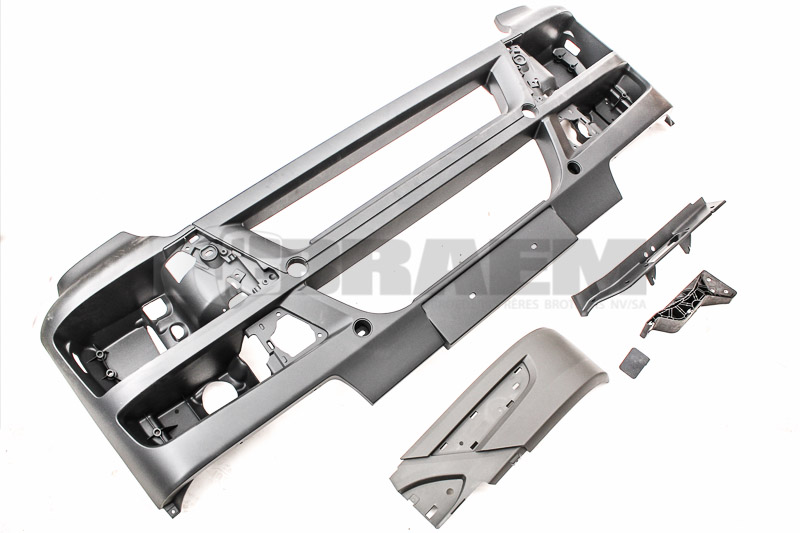

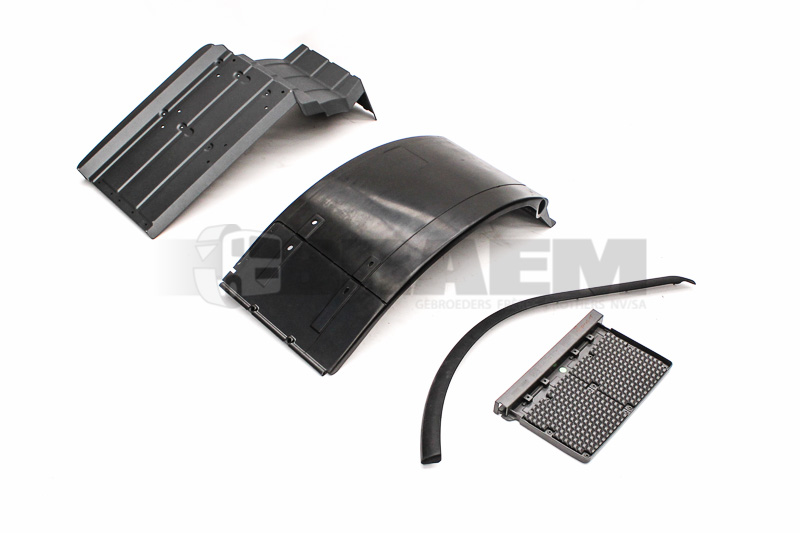
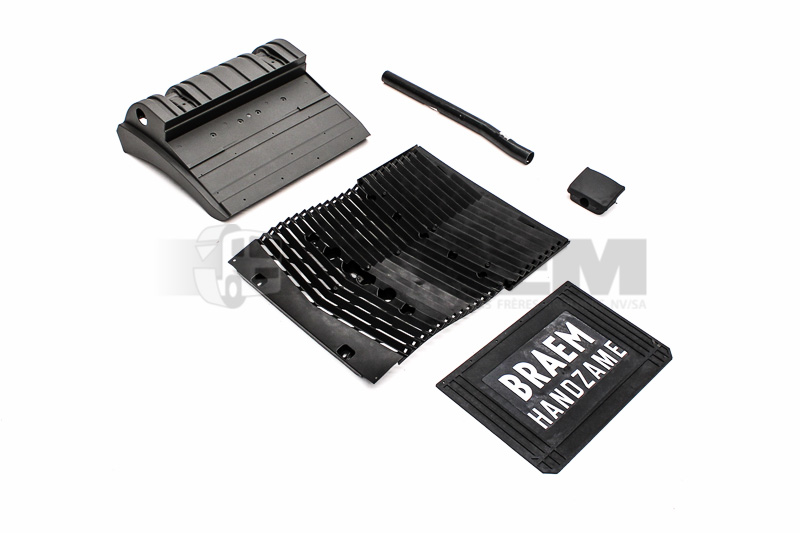
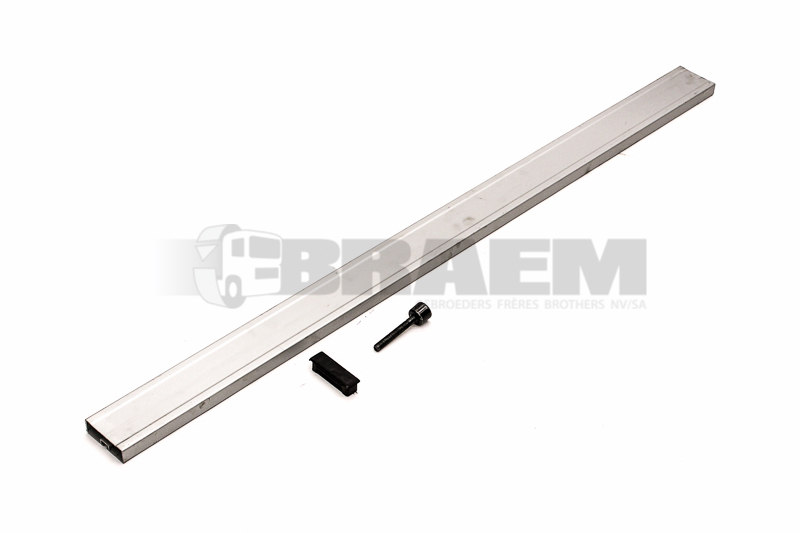
The bodywork of a MAN or Mercedes truck, bus and van fulfils several functions. It protects the driver and passengers. It protects the load and the underlying vehicle systems against damage. It contributes to aerodynamics, saving fuel. It is functional and ergonomic for the driver. It gives the vehicle a professional appearance. It is subject to wear through daily use. It can be damaged by corrosion and rust formation. It is exposed to extreme weather conditions. The bodywork is damaged by accidents and collisions. Wear or damage to bodywork parts should therefore never be underestimated. At Braem you will find an extensive range of bodywork parts with which repairs can be carried out quickly, correctly and durably.
The role of the bodywork within the overall vehicle structure
The bodywork is not merely an aesthetic element, but an integral part of the vehicle structure. The bumper absorbs energy in a minor collision. At the same time, it protects the headlights, spotlights and fog lights. Lower spoilers improve aerodynamics, saving fuel. They reduce air turbulence, improving vehicle stability. Many bodywork parts are mounted directly to the chassis and contribute to the protection of vital systems.
Interaction with chassis and cabin
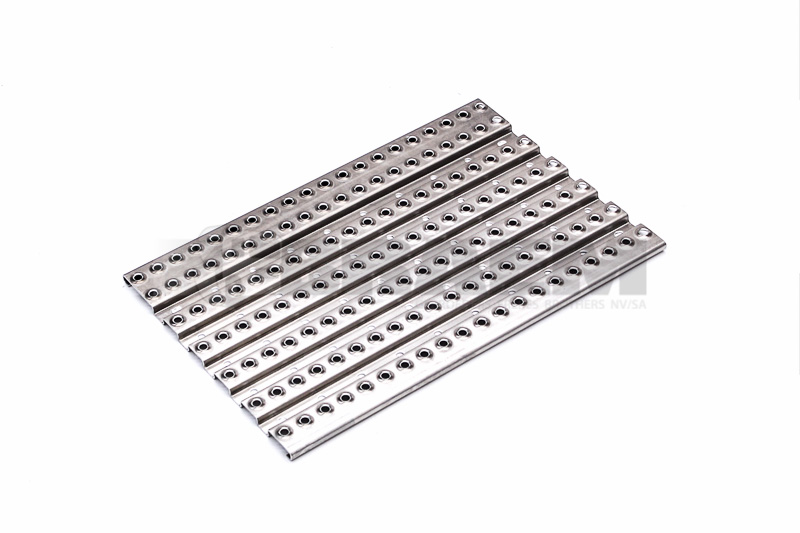
Behind the cabin, catwalks are mounted on the chassis. After coupling the trailer, the truck’s electrical and air coils must be connected to the trailer. For this, the driver steps onto the catwalk via the entry steps. Using brackets, the step boxes are mounted on the chassis. Together with the steps, they provide an ergonomic and stable access to the cabin.
Essential bodywork parts and their function
Wheels on both the front axle(s) and rear axle(s) must be legally covered with rear mudguards to prevent spray, mud and stone chipping. Bumpers must be fitted by law, to protect vulnerable road users and the vehicle itself. At the front and rear of the vehicle, number plate holders with the number plate must be mounted. Bodywork parts must be in good condition and must not pose a hazard to other road users. Cyclist guards are fitted between the front and rear axle of a truck to prevent cyclists or pedestrians from ending up under the vehicle in a side impact.
Typical wear and damage patterns
Bodywork damage often arises from contact with loading docks, difficult manoeuvres or stone chipping. Damaged panels allow dirt and moisture through, affecting underlying systems. Electrical components are particularly sensitive to this. Parts of the cooling system can also be damaged when protective covers are missing or deformed.
A missing or damaged spoiler also disrupts aerodynamics, leading to higher fuel consumption and additional stress on the fuel system.
Safety and legal compliance
The bodywork plays an important role in vehicle safety. Properly fitted bodywork parts ensure that underlying components are correctly shielded. This allows parts with sharp edges, protruding sections and moving components to be safely covered.
Risks of delayed repair
Loose or missing bodywork parts can come off while driving and pose a danger to other road users. In addition, damaged mudguards and wheel covers can lead to increased contamination of brakes and axles, which indirectly affects the braking system and the drivetrain.
Repairing or replacing bodywork parts
Bodywork parts such as the bumper, the lower spoilers, the step boxes and the front mudguards are made from composite materials. Others, such as catwalks and steps are made of steel or aluminium. When these parts show minor damage or discolouration, they are repaired. The old paint and minor damage are removed by sanding. Then they are cleaned and degreased. They are repainted in the paint shop. The paint is cured in an oven or under UV light. After that, they are refitted. If, due to large dents, deformation or cracks, the parts can no longer be repaired, they are replaced with new parts. They can no longer be returned to their original shape. Any repair could also reduce the strength and safety of the part. Sometimes repair is also time-consuming, making repair more expensive than replacement.
Practical considerations for garages and fleet managers
When a part is structurally deformed or loses its protective function, replacement is the only reliable solution. Continuing to drive with damaged panels increases the risk of additional damage to adjacent systems.
Bodywork tailored to intensive professional use
MAN and Mercedes vehicles are used in a wide range of applications, from international transport to construction site traffic. The bodywork must be adapted to this load. For example, vehicles for international transport are fitted with bumpers made from composite materials. Vehicles used in construction are fitted with steel bumpers.
Advice based on practical experience
For vehicles that load and unload frequently, it is advisable to pay extra attention to step boxes and steps. These parts are subjected to the heaviest load and are often the first to show wear. Timely replacement prevents accidents involving drivers getting into or out of the cab.
The added value of Braem for bodywork parts
Braem has a large stock of bodywork parts for MAN and Mercedes trucks, coaches and vans, enabling repairs to be carried out quickly. This is essential to keep vehicles out of service, for as short a time, as possible. We have a high end paint facility, allowing parts to be supplied in colour.
Customers rely on Braem because of:
- Bodywork parts with a correct fit
- High quality thanks to thorough quality control
- Bodywork parts can be supplied in colour
- Technical support for removal and installation
- Fast delivery within Europe and beyond
- Clear warranty and return conditions
Well-maintained bodywork not only increases comfort, but also directly contributes to safety, productivity and the professional appearance of the vehicle.