 English
 Nederlands
 Français
 Deutsch
 Español
 Polski
 Русский
 العربية
 Română
Call us on +32 (0) 51 57 58 58 or contact us.
Engine for MAN / Mercedes trucks, buses and vans

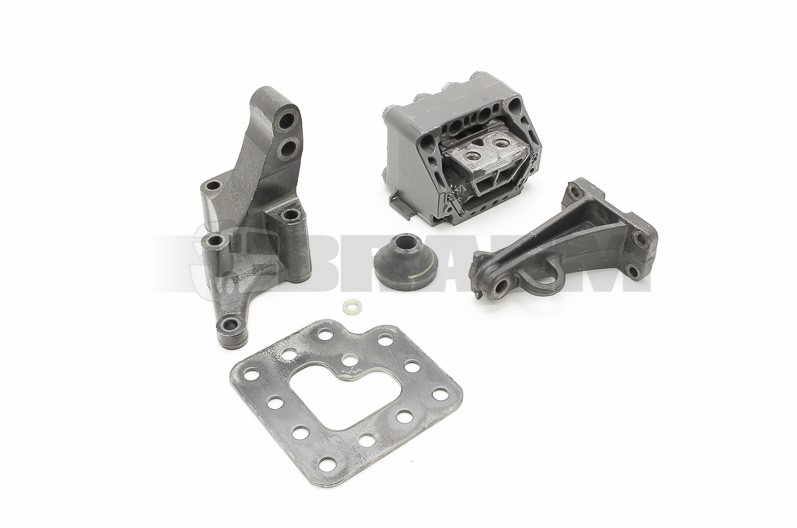
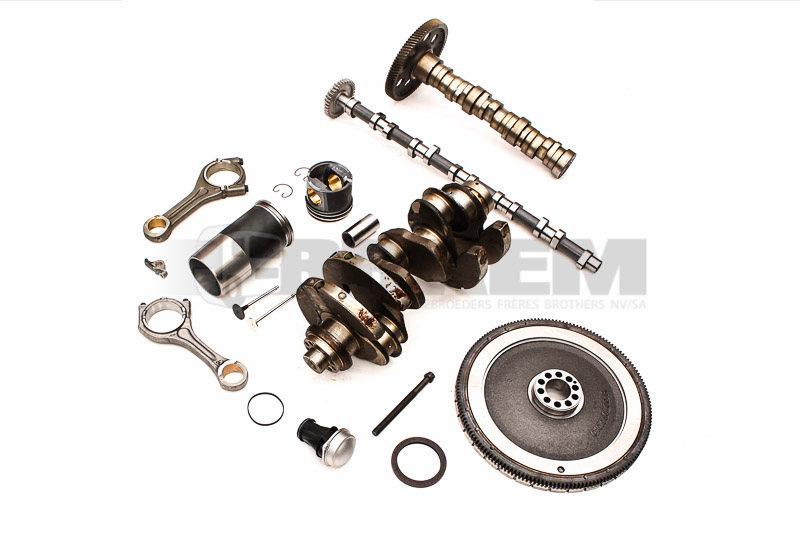


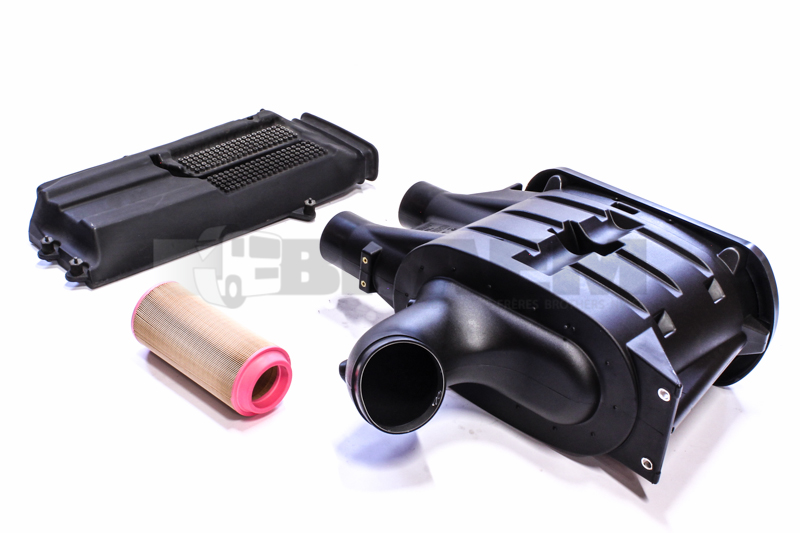
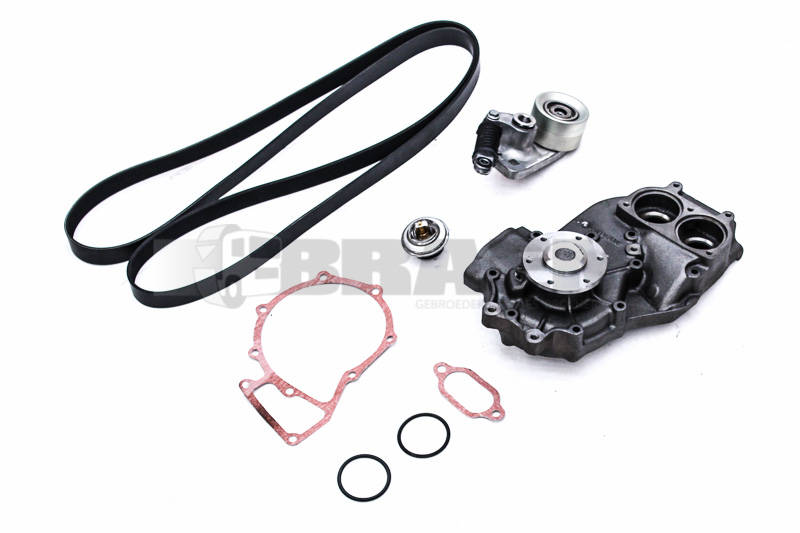
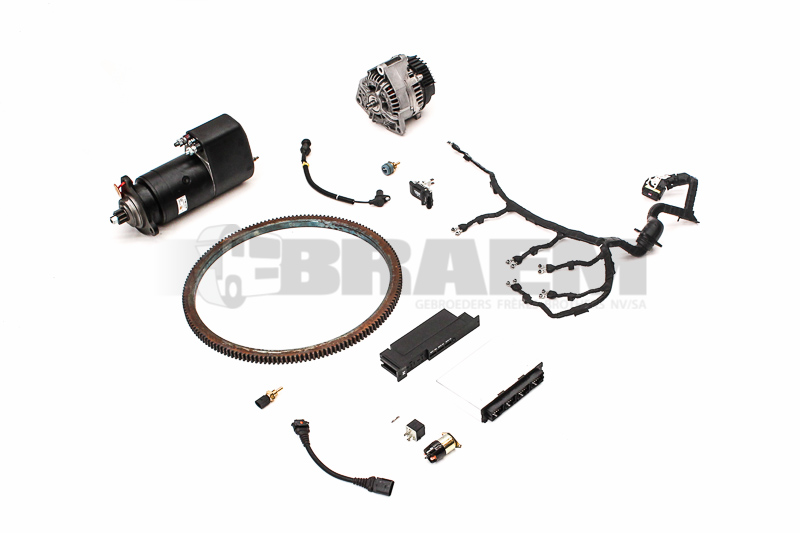
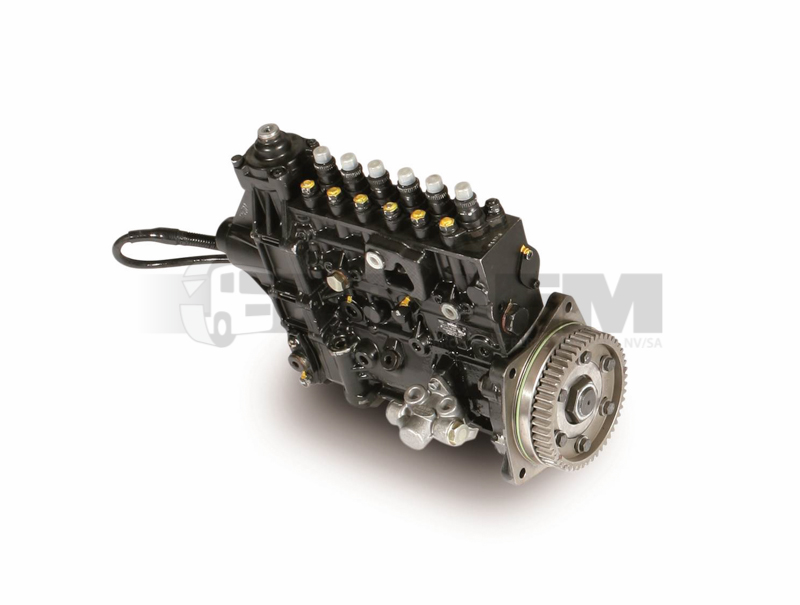

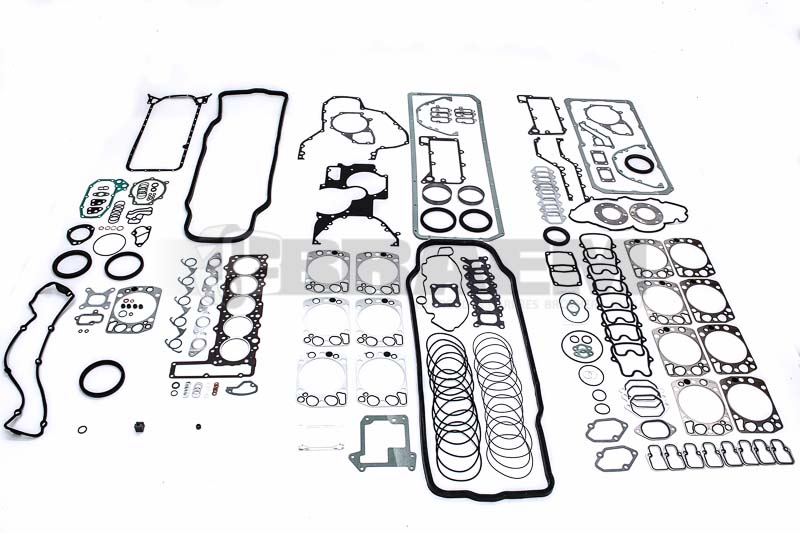
A reliable engine is the heart of every MAN or Mercedes truck, coach or van. In daily operation, engines are heavily stressed by demanding use, variable loads, long journeys and (sometimes)unexpected circumstances. That is why a timely replacement of critical engine components is essential to maintain performance and power, in order to limit fuel consumption. At Braem, we offer you an extensive range of engines and engine parts that meet the severest quality standards, enabling workshops and fleet managers to count on maximum reliability and minimal downtime.
A complete range of engine parts for every application
Our engine category includes a wide range of components for different engine configurations, commonly found in MAN and Mercedes vehicles. Because every engine performs differently depending on use, driving dynamics and service history, it is important to choose precisely which part should be replaced and when.
Crucial components for optimal engine performance
We also offer remanufactured engines. For this we have the required parts. An internal combustion engine converts fuel, such as diesel, into kinetic energy. This is achieved because the fuel mixture, consisting of fuel and air, is compressed. This process consists of four steps. Step 1 is called the intake stroke. The intake valves mounted in the cylinder head are opened by the camshaft via the rocker arms. The crankshaft, which is supported by main and thrust bearings, rotates in the engine block, ensuring the pistons connected to the crankshaft via connecting rods move downwards in the engine block. This creates a vacuum in the cylinder liners. Due to this vacuum, air is drawn in, from the atmosphere. This air fills the cylinders via the manifold intake and must be cleaned of contaminants such as dust and sand. Therefore, the air passes through the air intake system and through the air filter before it enters the engine. This results in better combustion and lower fuel consumption. It protects the engine against wear. The turbo ensures that the volumetric efficiency is increased. Step 2 is called the compression stroke. The intake valves are closed by the rotation of the camshaft. The pistons move upwards, compressing the air. This increases the pressure and temperature of the air. Step 3 is called the power stroke or combustion. Now, the piston has almost reached its highest point, fuel is injected. This is done by the injectors. The injectors atomize fuel coming from the fuel system into the cylinders. This fuel is supplied either by an injection pump or by a common-rail system consisting of a common rail under constant pressure, a high-pressure pump and injectors. The fuel first passes through the fuel filter. Due to compression of the mixture, the fuel ignites because of the high temperature of the compressed air. This explosion causes the pistons to be pushed downwards. In short, kinetic energy is generated that makes the engine turn. Step 4 is called the exhaust stroke: the exhaust valves mounted in the cylinder head are opened by the camshaft. The pistons move upwards and the exhaust gases are expelled via the exhaust manifold. The engine keeps running by repeating this cycle. These exhaust gases contain harmful substances such as nitrogen oxides (NOx). To limit the emissions of these exhaust gases, an EGR system, also known as an exhaust gas recirculation system, is fitted to the engine. This system ensures that part of the exhaust gases are routed back to the engine intake. As a result, less oxygen enters the combustion chamber, causing the required combustion temperature to drop. This reduces the emission of harmful gases. The above cycle generates a lot of heat. That heat is kept under control by the engine’s cooling system. A water pump and thermostat ensure that coolant cools the engine via pipes and cooling channels. Engine oil from the oil pan is distributed to the rotating parts by an oil pump. A thin lubricating film ensures that the engine does not seize. This engine oil is purified by the oil filter and cooled by an oil cooler. The above processes require control and monitoring. For this purpose, the engine is equipped with various control units and sensors.
Why timely replacement of engine parts is necessary
Engines show gradual wear. Mechanics regularly observe signs such as increased fuel consumption, hard starting, loss of power, smoke development or irregular idling. These symptoms are caused by wear of engine components. This wear is inevitable. Preventively replacing or repairing these parts is therefore necessary. It prevents greater damage and ultimately saves costs. A well-maintained engine ensures optimal performance, a longer service life and reliability.
Preventing unexpected downtime
The engine of a vehicle converts fuel into kinetic energy. Failure of this engine is synonymous with downtime. The vehicle cannot move and cannot perform its task. Downtime that must be avoided in the haulage world. Unplanned downtime means loss of time and productivity. It disrupts the planning and reliability of a haulage company. It costs money. It can lead to fines for late delivery, dissatisfied customers and drivers.
With timely diagnosis and repair, vehicles remain deployable for longer, with lower operating costs.
Selecting, repairing or replacing engine parts: advice from experts
Every day we are contacted by customers who have problems with their engine. Our engine specialists are experts in repairing MAN and Mercedes engines. They have thorough knowledge of how they work and are technically skilled. They look for the cause of the defect. They work solution-oriented and ensure a durable repair. Our specialists also advise which parts need to be replaced and which are perfectly repairable.
When we replace and when we repair the engine
Repair is possible when the engine is structurally intact. The engine block, the crankshaft and the camshaft must be reusable. In this case, work can continue based on the engine’s core structure. The engine does not need to be removed from the vehicle, and the repair can be carried out on the vehicle. If the damage is too extensive, the engine is removed from the vehicle. The engine is fully disassembled. Each engine component undergoes a thorough inspection for reusability. Non-reusable parts are replaced with new ones. The engine is then reassembled and ready for installation in the vehicle.
We offer a wide range of new, used and remanufactured parts. These are tested according to strict quality standards.
The unique strengths of Braem regarding engine parts
Our stock is the largest in Europe for MAN and Mercedes engines. Thanks to an efficient internal structure, a high-performing purchasing and sales team, fast order processing and worldwide shipping. We ensure rapid delivery of parts. This is essential for customers who need immediate availability to keep delays to a minimum.
In addition, we guarantee:
- Good quality through thorough quality control
- Technical support
- Clear returns and warranty handling
We are happy to help you identify the correct and necessary parts. We gladly offer our expert advice. During selection, we are happy to help you make the informed choice, whether it concerns a complete engine block, a specific sensor or any another part.