 English
 Nederlands
 Français
 Deutsch
 Español
 Polski
 Русский
 العربية
 Română
Call us on +32 (0) 51 57 58 58 or contact us.
Clutch for MAN / Mercedes trucks, buses and vans

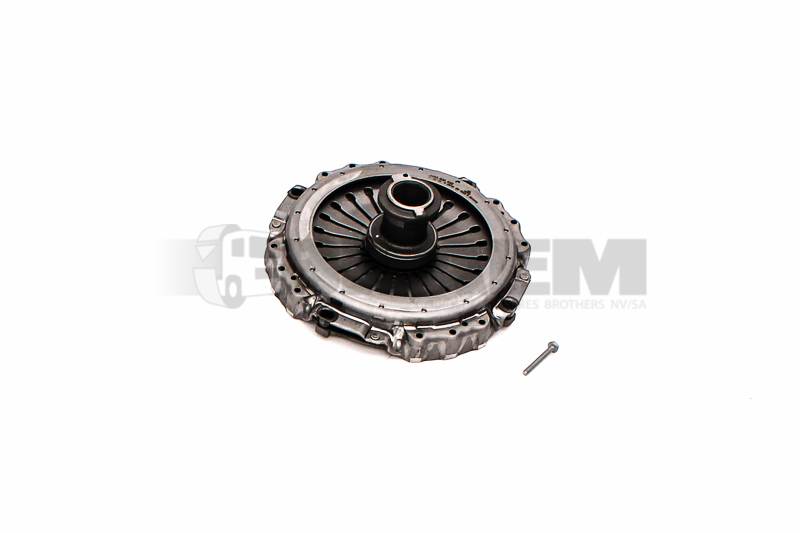
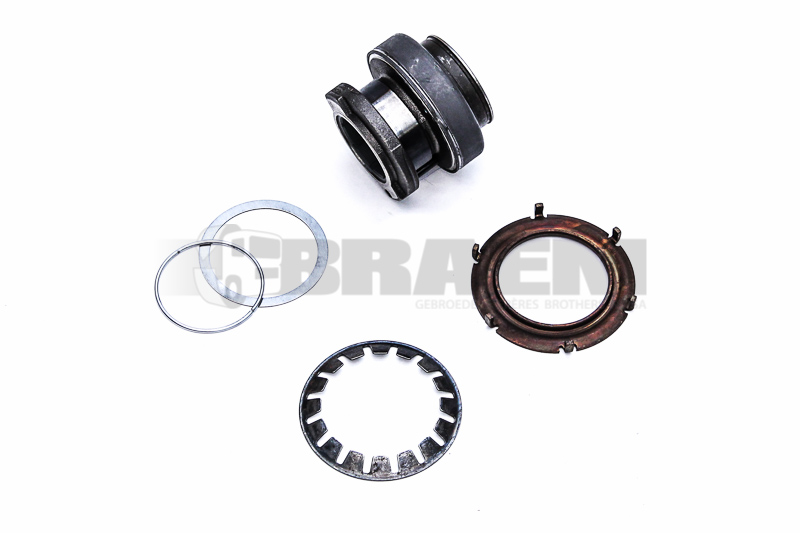
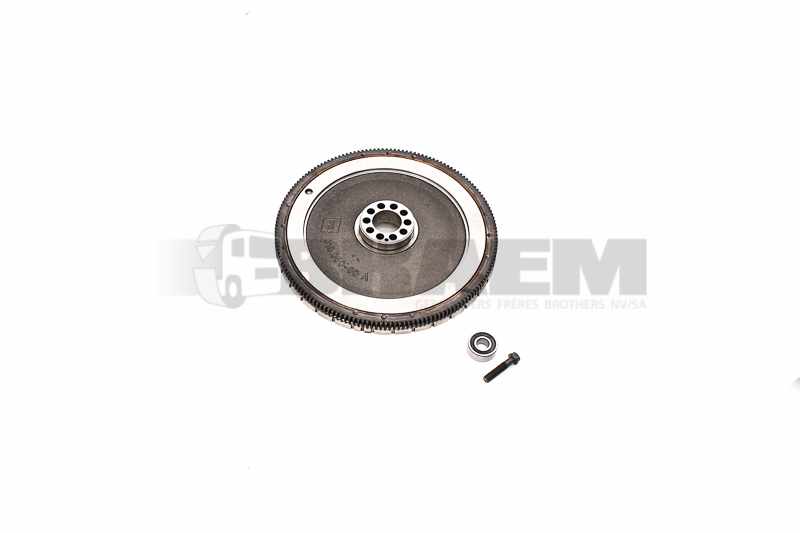
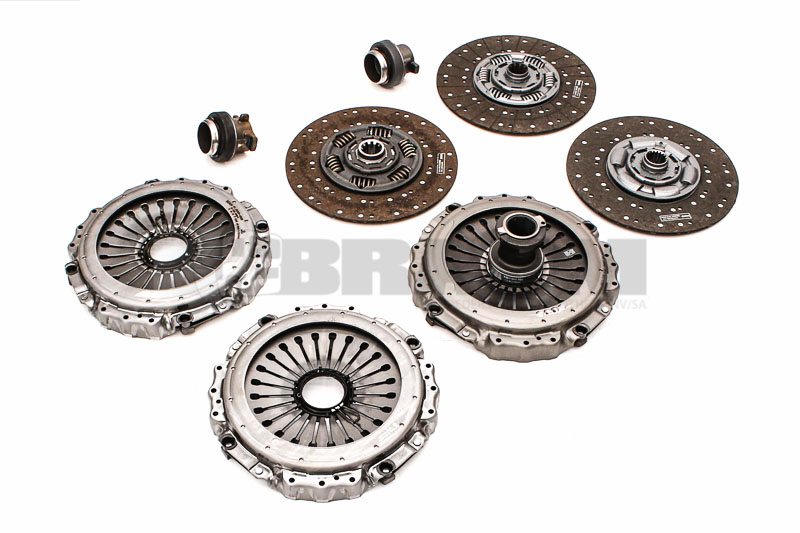
The clutch forms the crucial link between engine and gearbox in every MAN or Mercedes truck, coach or van. The clutch is mounted between the engine and the gearbox. This clutch ensures that the engine and the gearbox can be engaged or disengaged from each other. It ensures that vehicles can pull away, accelerate and slow down smoothly. In professional applications, where vehicles move heavy loads every day and perform thousands of gear changes, the clutch is under constant mechanical and thermal load. These clutches can also fail due to an incorrect driving style. At Braem you will find a wide and reliable range of clutch parts with which repairs can be carried out sustainably and technically correctly.
The function of the clutch within the overall driveline system
The clutch makes it possible to temporarily disengage the engine and gearbox from each other. This allows us to shift up or down with the gearbox. After shifting, the clutch ensures that the engine and the gearbox are again connected with each other.
Interaction with engine and driveline
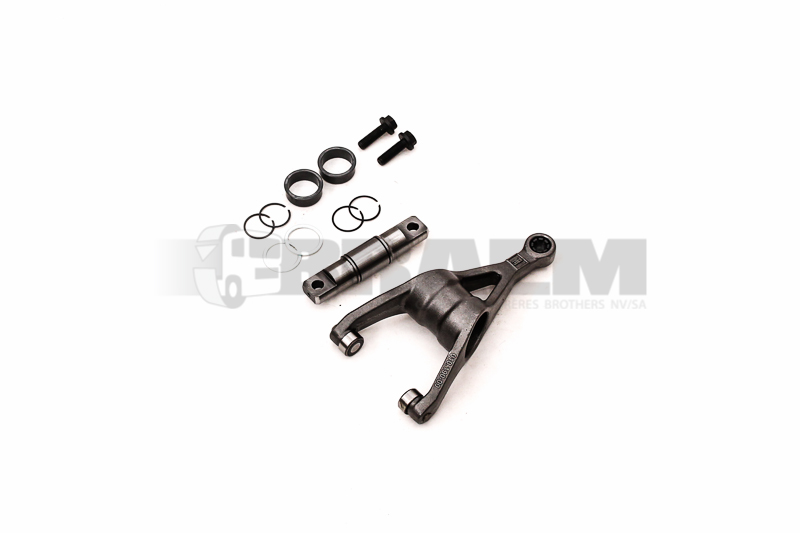
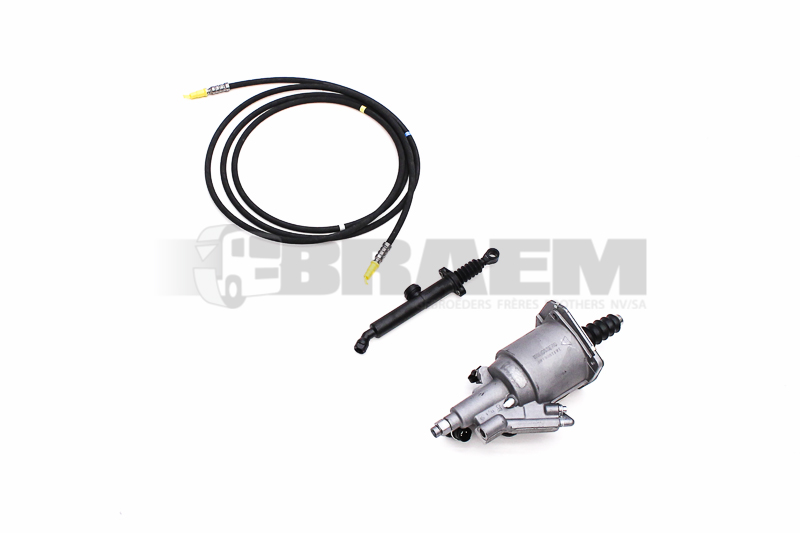
A clutch kit consists of a clutch disc, a clutch pressure plate and a release bearing. The clutch pressure plate is mounted on the engine flywheel. A diaphragm spring is fitted in this pressure plate. The release bearing is mounted on this diaphragm spring and can be operated via a release fork. This release fork is mounted in the gearbox clutch housing with a release shaft. The clutch disc is mounted between the flywheel and the clutch pressure plate. This clutch disc has a hub in the centre with internal splines. The gearbox input shaft has external splines. The clutch plate is fitted to the gearbox by sliding the internal splines onto the external splines. This creates a fixed connection between the clutch disc and the gearbox. The clutch plate is fitted with friction material on both sides. This friction material provides friction with the flywheel on one side and with the clutch pressure plate on the other side, so that when engaged, a fixed connection is made between the engine and the gearbox. When disengaging, the clutch pressure plate is pulled backwards via the diaphragm and the release bearing, so that the clutch disc is no longer clamped between the flywheel and the clutch pressure plate. This breaks the connection between the engine and the gearbox and makes shifting possible. The release fork is operated by a clutch slave cylinder that is mounted on the gearbox. This is hydraulically connected to another clutch master cylinder which is mounted on the clutch pedal in the cab. A hydraulic connection is a line that transports hydraulic fluid under pressure from one component to another. In other words, the clutch slave cylinder on the gearbox is operated when the driver presses the clutch pedal.
A clutch that connects poorly, also called a slipping clutch, not only stresses the gearbox but also the engine. Slipping causes additional heat build-up, which makes both the flywheel and the clutch pressure group wear faster.
Typical wear and recognisable symptoms
Clutches wear gradually and usually give clear signals before they fail completely. In practice, mechanics notice that the clutch slips. This causes the vehicle to pull away in an uncontrolled or jerky manner. This results in higher engine speed at low vehicle speed. The clutch pedal and the vehicle may vibrate during disengagement. With a worn clutch, shifting becomes more difficult.
Signs that indicate intervention is needed
Common symptoms include slipping during acceleration, a burning smell after heavy load, vibrations when pulling away, or abnormal noises during disengagement. When the clutch disc slips structurally, the temperature in the clutch housing rises quickly. This can damage the flywheel and may even affect the engine crankshaft. In addition, irregular clutch torque transfer leads to additional load on the driveline.
Causes of accelerated clutch wear
The service life of a clutch strongly depends on the user profile. Frequent stop-and-go traffic, heavy loads and driving in hilly terrain significantly accelerate wear. These clutches can also fail due to incorrect driving manner.
Usage situations with increased risk
Vehicles that frequently pull heavy loads or do a lot of manoeuvring on sites, or unloading areas demand more from the clutch. Incorrectly adjusted hydraulic systems or worn release bearings also cause the clutch not to fully release, which creates permanent friction.
Repairing or replacing clutch parts
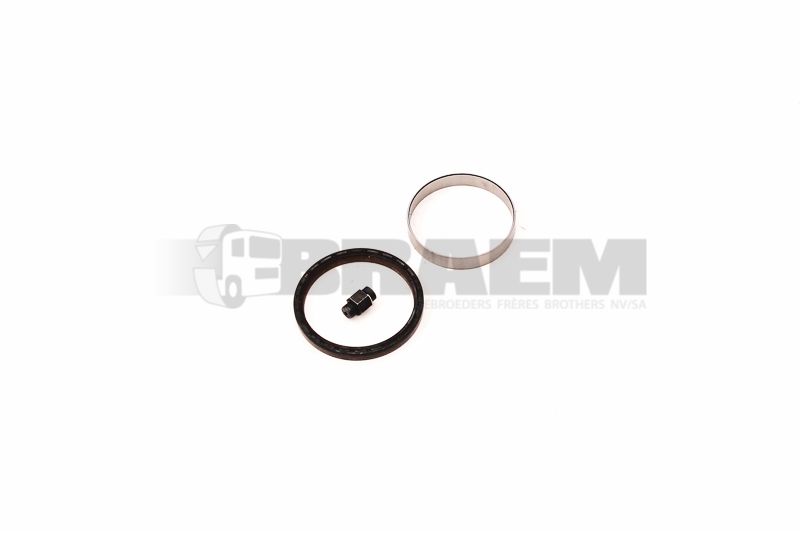
The question often arises whether a clutch can be repaired or must be replaced completely. Our answer: we recommend replacing the clutch completely. For this, a clutch kit consisting of a clutch disc, a clutch pressure plate and a release bearing can be purchased. We also advise replacing the flywheel, with the corresponding mounting bolts for installation on the crankshaft, the flywheel bearing, the release fork with the corresponding shaft, the clutch slave/master cylinders and the slip ring and seal on the crankshaft.
When partial replacement is possible
Clutch slave/master cylinders can sometimes be replaced separately if the other components still meet the required tolerances.
When full replacement is necessary
When the clutch disc is burnt, the pressure group is deformed, or the flywheel shows signs of overheating, full replacement is the only reliable solution. Continuing to drive in this condition increases the risk of damage to the gearbox and the engine and causes unnecessary downtime.
Clutches matched to application and load
Not every clutch is suitable for every application. Heavy transport applications require more robust clutch systems with higher heat resistance and adapted pressure distribution. For example, there is a dual vehicle clutch in which two clutches are used in one housing. This ensures faster and smoother shifting.
Practical advice based on experience
Our specialists often advise that in intensive applications, not only the clutch should be replaced, but related components should also be checked. A new clutch on a poorly aligned driveline significantly shortens service life.
The added value of Braem for clutch parts
Our stock is the largest in Europe for MAN and Mercedes clutches. Thanks to an efficient internal structure, a high-performing purchasing and sales team, fast order processing and worldwide shipping, we can deliver parts within a very short time. This is essential for customers who need immediate availability to limit waiting times.
In addition, we guarantee:
- Good quality through thorough quality control
- Technical support
- Clear terms regarding return and warranty handling
We are happy to help you identify the correct and necessary parts. We provide advice. During selection, we are happy to help you make the informed choice, whether it concerns a complete clutch kit, a specific bolt or another part.