 English
 Nederlands
 Français
 Deutsch
 Español
 Polski
 Русский
 العربية
 Română
Call us on +32 (0) 51 57 58 58 or contact us.
Stabilisator support
- Second-Hand Recovered from used trucks, we offer these parts. They are still in top condition and can last a long time.
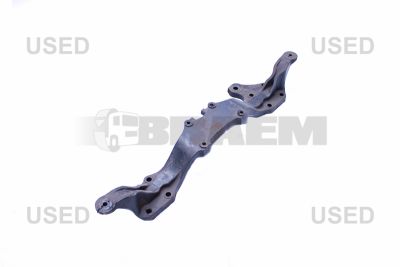 Availability: Request availabilityMB946.326.01.63/7390.OCC
 €1,552.89
Guide price excl. VAT
Equivalenten:
MER946.326.01.63/7390, 9463260163/7390, A9463260163/7390, MB946.326.01.63/7390.OCC, 9463260163/7390OCC, A9463260163/7390OCC, MB946.326.01.63/7390, 9463260163/7390 ... - Second-Hand Recovered from used trucks, we offer these parts. They are still in top condition and can last a long time.
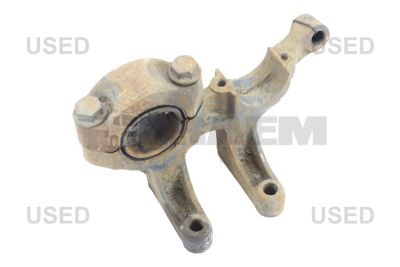 Availability: Request availabilityMB946.326.02.63/7390.OCC €702.85
Guide price excl. VAT
Equivalenten:
MER946.326.02.63/7390, 9463260263/7390, A9463260263/7390, MB946.326.02.63/7390.OCC, 9463260263/7390OCC, A9463260263/7390OCC, MB946.326.02.63/7390, 9463260263/7390 ... - New Thanks to our product knowledge and built-up relationships with manufacturers worldwide, we found the most reliable alternatives. Best price-quality.
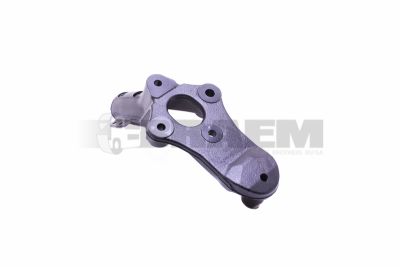 Availability: Request availabilityMB949.323.05.63/7390€208.71
Guide price excl. VAT
Equivalenten:
MB949.323.05.63/7390.OCC, 9493230563/7390OCC, A9493230563/7390OCC, MB949.323.05.63/7390, 9493230563/7390, A9493230563/7390 - Second-Hand Recovered from used trucks, we offer these parts. They are still in top condition and can last a long time.
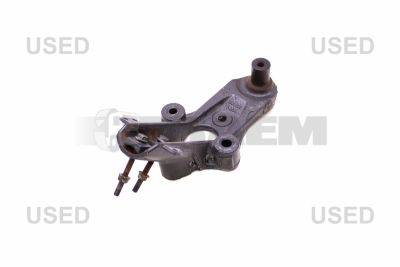 Availability: Request availabilityMB949.323.05.63/7390.OCC €125.82
Guide price excl. VAT
Equivalenten:
MER949.323.03.63/7390, 9493230363/7390, A9493230363/7390, MER949.323.05.63/7390, 9493230563/7390, A9493230563/7390, MB949.323.05.63/7390.OCC, 9493230563/7390OCC ... - Second-Hand Recovered from used trucks, we offer these parts. They are still in top condition and can last a long time.
 Availability: Request availabilityMB960.320.09.37.OCC €126.79
Guide price excl. VAT
Equivalenten:
MER960.320.09.37, 9603200937, A9603200937, MB960.320.09.37.OCC, 9603200937OCC, A9603200937OCC, MB960.320.09.37, 9603200937, A9603200937 - Second-Hand Recovered from used trucks, we offer these parts. They are still in top condition and can last a long time.
 Availability: Request availabilityMB960.320.15.37.OCC €127.37
Guide price excl. VAT
Equivalenten:
MER960.320.15.37, 9603201537, A9603201537, MB960.320.15.37.OCC, 9603201537OCC, A9603201537OCC, MB960.320.15.37, 9603201537, A9603201537 - Second-Hand Recovered from used trucks, we offer these parts. They are still in top condition and can last a long time.
 Availability: Request availabilityMB960.320.26.37.OCC €116.96
Guide price excl. VAT
Equivalenten:
MER960.320.26.37, 9603202637, A9603202637, MB960.320.26.37.OCC, 9603202637OCC, A9603202637OCC, MB960.320.26.37, 9603202637, A9603202637 - New Thanks to our product knowledge and built-up relationships with manufacturers worldwide, we found the most reliable alternatives. Best price-quality.
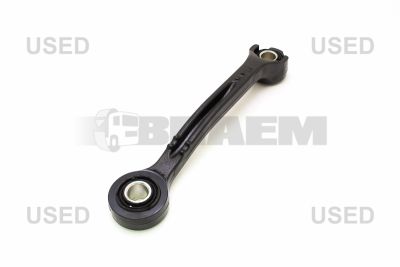 Availability: Request availabilityMB960.320.44.37€213.25
Guide price excl. VAT
Equivalenten:
STU7097, 7097, MB960.320.44.37.OCC, 9603204437OCC, A9603204437OCC, MB960.320.44.37, 9603204437, A9603204437 - Second-Hand Recovered from used trucks, we offer these parts. They are still in top condition and can last a long time.
 Availability: Request availabilityMB960.320.47.37.OCC €133.51
Guide price excl. VAT
Equivalenten:
MER960.320.47.37, 9603204737, A9603204737, MB960.320.47.37.OCC, 9603204737OCC, A9603204737OCC, MB960.320.47.37, 9603204737, A9603204737 - New Thanks to our product knowledge and built-up relationships with manufacturers worldwide, we found the most reliable alternatives. Best price-quality.
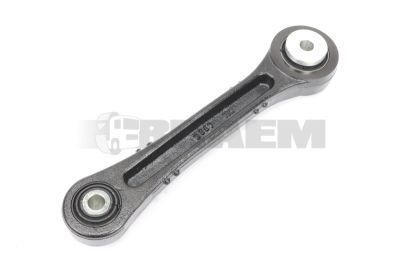 Availability: Request availabilityMB960.320.88.37€213.25
Guide price excl. VAT
Equivalenten:
STU7180, 7180, VSO21.031, 21031, MB960.320.88.37.OCC, 9603208837OCC, A9603208837OCC, MB960.320.88.37, 9603208837, A9603208837, MB960.320.88.37/7284, 9603208837/7284 ... - New Thanks to our product knowledge and built-up relationships with manufacturers worldwide, we found the most reliable alternatives. Best price-quality.
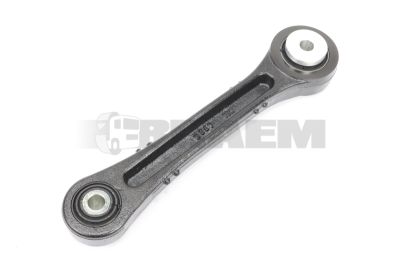 Availability: Request availabilityMB960.320.88.37/7284€213.25
Guide price excl. VAT
Equivalenten:
STU7180, 7180, VSO21.031, 21031, MB960.320.69.37.OCC, 9603206937OCC, A9603206937OCC, MB960.320.43.37, 9603204337, A9603204337, MB960.320.43.37, 9603204337, A9603204337 ... - Second-Hand Recovered from used trucks, we offer these parts. They are still in top condition and can last a long time.
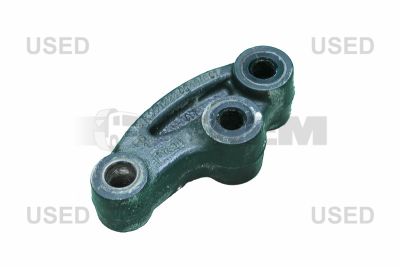 Availability: Request availabilityMB960.323.05.40.OCC €48.85
Guide price excl. VAT
Equivalenten:
MB960.323.05.40.OCC, 9603230540OCC, A9603230540OCC, MB960.323.05.40, 9603230540, A9603230540 - Second-Hand Recovered from used trucks, we offer these parts. They are still in top condition and can last a long time.
 Availability: Request availabilityMB970.323.04.63/7390.OCC €58.79
Guide price excl. VAT
Equivalenten:
MER970.323.04.63/7390, 9703230463/7390, A9703230463/7390, MB970.323.04.63/7390.OCC, 9703230463/7390OCC, A9703230463/7390OCC, MB970.323.04.63/7390, 9703230463/7390 ... - New Thanks to our product knowledge and built-up relationships with manufacturers worldwide, we found the most reliable alternatives. Best price-quality.
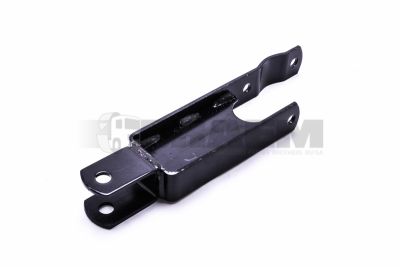 Availability: Request availabilityMB974.320.00.37€53.47
Guide price excl. VAT
Equivalenten:
MB974.320.00.37.OCC, 9743200037OCC, A9743200037OCC, MB974.320.00.37, 9743200037, A9743200037 - Second-Hand Recovered from used trucks, we offer these parts. They are still in top condition and can last a long time.
 Availability: Request availabilityMB974.320.00.37.OCC €32.23
Guide price excl. VAT
Equivalenten:
MER974.320.00.37, 9743200037, A9743200037, MB974.320.00.37.OCC, 9743200037OCC, A9743200037OCC, MB974.320.00.37, 9743200037, A9743200037 - Second-Hand Recovered from used trucks, we offer these parts. They are still in top condition and can last a long time.
 Availability: Request availabilityMB974.320.19.37.OCC €47.06
Guide price excl. VAT
Equivalenten:
MER974.320.19.37, 9743201937, A9743201937, MB974.320.19.37.OCC, 9743201937OCC, A9743201937OCC, MB974.320.19.37, 9743201937, A9743201937 - New Thanks to our product knowledge and built-up relationships with manufacturers worldwide, we found the most reliable alternatives. Best price-quality.
 Availability: Request availabilityVSO21.002 €367.38
Guide price excl. VAT
Equivalenten:
VSO21.002, 21002, MB393.320.07.89, 3933200789, A3933200789 - New Thanks to our product knowledge and built-up relationships with manufacturers worldwide, we found the most reliable alternatives. Best price-quality.
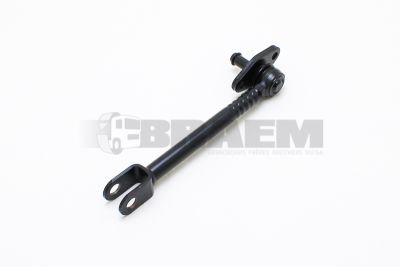 Availability: Request availabilityVSO21.003 €297.96
Guide price excl. VAT
Equivalenten:
DT4.63561, 463561, VSO21.003, 21003, MB617.320.00.89, 6173200089, A6173200089 - New Thanks to our product knowledge and built-up relationships with manufacturers worldwide, we found the most reliable alternatives. Best price-quality.
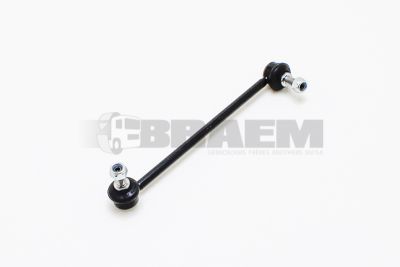 Availability: Request availabilityVSO21.004 €29.25
Guide price excl. VAT
Equivalenten:
FEB24577, 24577, DT4.66882, 466882, VSO21.004, 21004, MB639.320.04.89, 6393200489, A6393200489 - New Thanks to our product knowledge and built-up relationships with manufacturers worldwide, we found the most reliable alternatives. Best price-quality.
 Availability: Request availabilityVSO21.016 €26.06
Guide price excl. VAT
Equivalenten:
FEB21801, 21801, DT4.66887, 466887, VSO21.016, 21016, MB638.323.04.68, 6383230468, A6383230468 - New Thanks to our product knowledge and built-up relationships with manufacturers worldwide, we found the most reliable alternatives. Best price-quality.
 Availability: Request availabilityVSO21.017 €26.06
Guide price excl. VAT
Equivalenten:
FEB21799, 21799, DT4.66888, 466888, VSO21.017, 21017, MB638.323.05.68, 6383230568, A6383230568 - New Thanks to our product knowledge and built-up relationships with manufacturers worldwide, we found the most reliable alternatives. Best price-quality.
 Availability: Request availabilityVSO21.042 €101.35
Guide price excl. VAT
Equivalenten:
FEB40035, 40035, VSO21.042, 21042, MB000.320.12.32, 0003201232, A0003201232 - New Thanks to our product knowledge and built-up relationships with manufacturers worldwide, we found the most reliable alternatives. Best price-quality.
 Availability: Request availabilityVSO23.006 €2.69
Guide price excl. VAT
Equivalenten:
FEB02569, 02569, VSO23.006, 23006, MB601.326.02.40, 6013260240, A6013260240 - New Thanks to our product knowledge and built-up relationships with manufacturers worldwide, we found the most reliable alternatives. Best price-quality.
 Availability: Request availabilityVSO23.012 €2.04
Guide price excl. VAT
Equivalenten:
FEB06117, 06117, 013.233-00A, 01323300A, VSO23.012, 23012, MB352.326.01.53, 3523260153, A3523260153
Stabiliser brackets provide the mechanical connection between the stabiliser bar and the chassis or axle assembly, depending on the suspension design. These are the chassis stabiliser bars, which may be fitted to individual axles depending on the chassis configuration. The brackets transmit the varying forces through which the stabiliser bar limits vehicle body roll. Play, deformation or cracking in this connection reduces the effectiveness of roll control. On MAN and Mercedes trucks, buses and vans, a knocking suspension therefore calls for an inspection of both the brackets and the associated rubber-to-metal bushes and fixings.
Depending on the parts catalogue, the term stabiliser bracket may refer to a rigid mounting bracket or a connecting bracket with rubber-to-metal bushes or pivot joints. These designs are not interchangeable. Also distinguish between front axle, rear axle and any tag axle applications, as well as left-hand and right-hand versions. A bracket for a MAN TGS with leaf spring suspension is not automatically suitable for an air-suspended variant; geometry and mountings also vary by chassis configuration within the Mercedes Actros, Atego, Sprinter and Citaro ranges.
Always identify parts using the vehicle's chassis number. Visual comparison or selection based solely on the model name is never sufficient. Also check the axle specification, permissible axle load, suspension variant and original part number. The engine variant is generally not a direct selection criterion, although the associated chassis configuration may be.
Relevant design parameters include centre distance, lateral offset, bolt diameter, bush width, mounting face and bush housing fit. Depending on the design, steel or cast iron brackets are used, sometimes with elastomers vulcanised to metal sleeves. Material quality, rubber hardness and interference fit all contribute to fatigue strength and movement characteristics. Use only the specified tolerances and fastening specifications; there is no universal permissible amount of play.
Typical symptoms include knocking when the suspension compresses on one side, delayed roll control response and unsettled handling during load transfers. Possible causes include failed rubber-to-metal bonds, worn mounting holes, corrosion beneath mounting faces or fatigue cracks around mounting lugs. Stabiliser bar bushes and shock absorber mountings can produce similar noises: only replace the bracket once the source has been identified.
- Position the vehicle on a level working area, chock the wheels and support the chassis and axles in accordance with the workshop procedure. Secure the air suspension against unexpected height adjustments. First check that the vehicle is at the specified ride height; uneven suspension droop can create torsional stress.
- Clean the connections. Look for rust marks, shifted bolt witness marks, rubber debonding and cracks. If necessary, have suspect metal areas assessed using a crack detection method suitable for the material.
- Apply a controlled load to the connection with a pry bar without damaging the rubber or seals. Use a dial indicator to measure relative movement between the bracket and the mounting point. Distinguish elastic deformation from free play and compare the results with the manufacturer's specifications.
- After removal, inspect the bolt shanks, mounting holes and bush housings. Measure diameters and ovality using a micrometer and internal measuring tools; check the centre distance and offset against the part specification.
Replace cracked, bent or worn brackets; do not weld or straighten them without an expressly approved repair procedure. Press in separately replaceable rubber-to-metal bushes with suitable support and in the specified orientation. Incorrect pressing force can deform the bracket or damage the rubber bond.
Restore damaged mounting faces and use the specified bolt strength grades, locking devices and tightening torques. Fully tighten connections with torsionally loaded rubber-to-metal bushes at the specified ride height. This prevents permanent preload and premature cracking. Check the bracket on the opposite side as well, but do not automatically replace both sides without a technical reason. Finish by checking for free movement and correct ride height, and carrying out a road test for any remaining noises.