 English
 Nederlands
 Français
 Deutsch
 Español
 Polski
 Русский
 العربية
 Română
Call us on +32 (0) 51 57 58 58 or contact us.
Stabilisator
- Second-Hand Recovered from used trucks, we offer these parts. They are still in top condition and can last a long time.
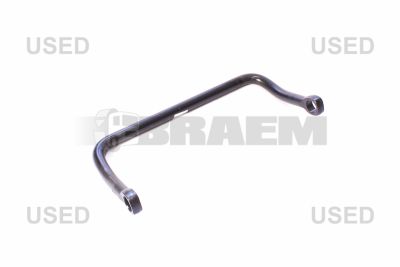 Availability: Request availability81.43715.0029.OCC
 €1,092.00
Guide price excl. VAT
Equivalenten:
81.43715.0029, 81437150029, 81.43715-0029, 81.43715.6032, 81437156032, 81.43715-6032, 81.43715.6058, 81437156058, 81.43715-6058, 81.43715.0029.OCC, 81437150029OCC ... - Second-Hand Recovered from used trucks, we offer these parts. They are still in top condition and can last a long time.
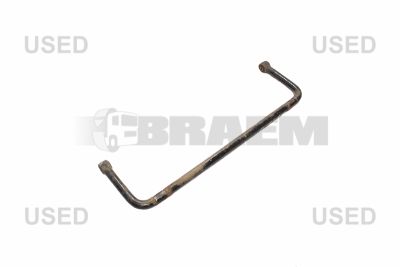 Availability: Request availability81.43715.0048.OCC €984.00
Guide price excl. VAT
Equivalenten:
81.43715.0048, 81437150048, 81.43715-0048, 81.43715.0048.OCC, 81437150048OCC, 81.43715-0048.OCC - Second-Hand Recovered from used trucks, we offer these parts. They are still in top condition and can last a long time.
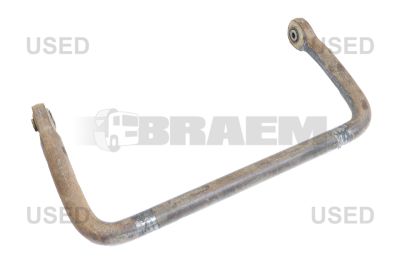 Availability: Request availability81.43715.0069.OCC €2,040.00
Guide price excl. VAT
Equivalenten:
81.43715.0069, 81437150069, 81.43715-0069, 81.43715.0069.OCC, 81437150069OCC, 81.43715-0069.OCC - Second-Hand Recovered from used trucks, we offer these parts. They are still in top condition and can last a long time.
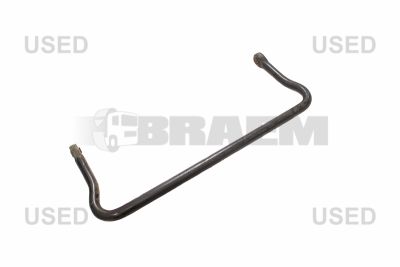 Availability: Request availability81.43715.0072.OCC Equivalenten:
81.43715.6074, 81437156074, 81.43715-6074, 85.43715.6044, 85437156044, 85.43715-6044, 81.43715.0072.OCC, 81437150072OCC, 81.43715-0072.OCC - Second-Hand Recovered from used trucks, we offer these parts. They are still in top condition and can last a long time.
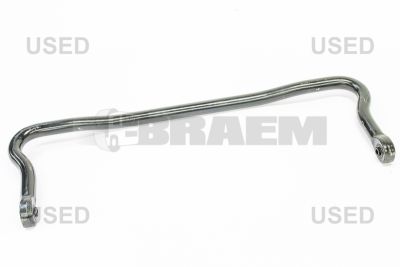 Availability: Request availability81.43715.0076.OCC €648.00
Guide price excl. VAT
Equivalenten:
81.43715.0076, 81437150076, 81.43715-0076, 81.43715.0076.OCC, 81437150076OCC, 81.43715-0076.OCC - Second-Hand Recovered from used trucks, we offer these parts. They are still in top condition and can last a long time.
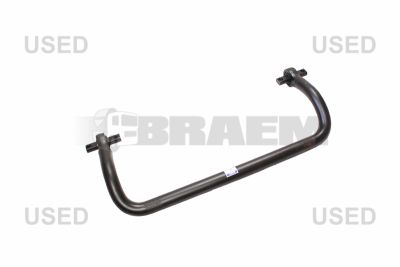 Availability: Request availability81.43715.0082.OCC €852.00
Guide price excl. VAT
Equivalenten:
81.43715.0082, 81437150082, 81.43715-0082, 81.43715.0082.OCC, 81437150082OCC, 81.43715-0082.OCC - Second-Hand Recovered from used trucks, we offer these parts. They are still in top condition and can last a long time.
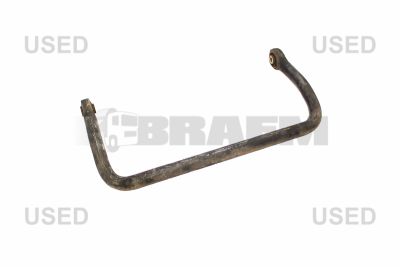 Availability: Request availability81.43715.0099.OCC €552.00
Guide price excl. VAT
Equivalenten:
81.43715.0099, 81437150099, 81.43715-0099, 81.43715.0099.OCC, 81437150099OCC, 81.43715-0099.OCC - New Thanks to our product knowledge and built-up relationships with manufacturers worldwide, we found the most reliable alternatives. Best price-quality.
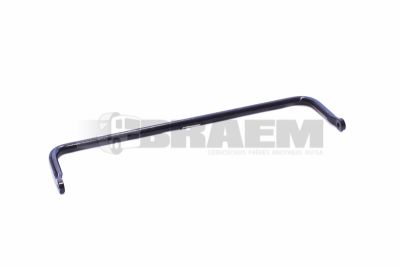 Availability: Request availability81.43715.0165€868.96
Guide price excl. VAT
Equivalenten:
81.43715.0162, 81437150162, 81.43715-0162, 81.43715.0162, 81437150162, 81.43715-0162, 81.43715.0162, 81437150162, 81.43715-0162, 81.43715.0165, 81437150165, 81.43715-0165 ... - Second-Hand Recovered from used trucks, we offer these parts. They are still in top condition and can last a long time.
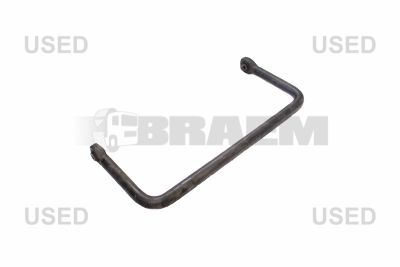 Availability: Request availability81.43715.6041.OCC €1,926.00
Guide price excl. VAT
Equivalenten:
81.43715.6041, 81437156041, 81.43715-6041, 81.43715.6041.OCC, 81437156041OCC, 81.43715-6041.OCC - New Thanks to our product knowledge and built-up relationships with manufacturers worldwide, we found the most reliable alternatives. Best price-quality.
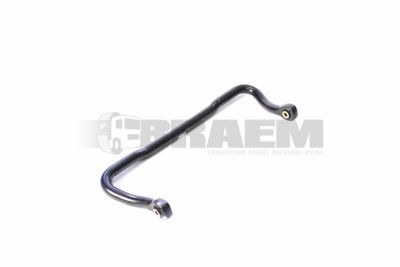 Availability: Request availability81.43715.6092€2,307.23
Guide price excl. VAT
Equivalenten:
81.43715.6092, 81437156092, 81.43715-6092, 81437156092, 81437156092, 81.43715.6092.OCC, 81437156092OCC, 81.43715-6092.OCC - Second-Hand Recovered from used trucks, we offer these parts. They are still in top condition and can last a long time.
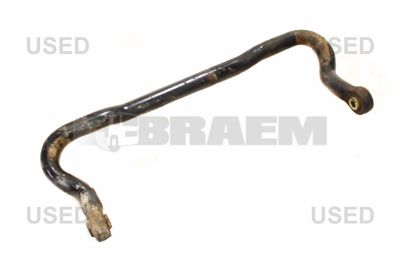 Availability: Request availability81.43715.6115.OCC €1,458.00
Guide price excl. VAT
Equivalenten:
81.43715.6101, 81437156101, 81.43715-6101, 81.43715.6115, 81437156115, 81.43715-6115, 81.43715.6115.OCC, 81437156115OCC, 81.43715-6115.OCC - Second-Hand Recovered from used trucks, we offer these parts. They are still in top condition and can last a long time.
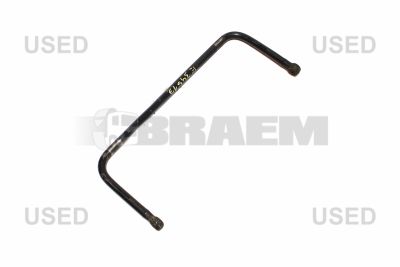 Availability: Request availability85.43715.0001.OCC €1,194.00
Guide price excl. VAT
Equivalenten:
85.43715.0001, 85437150001, 85.43715-0001, 85.43715.0001.OCC, 85437150001OCC, 85.43715-0001.OCC - Second-Hand Recovered from used trucks, we offer these parts. They are still in top condition and can last a long time.
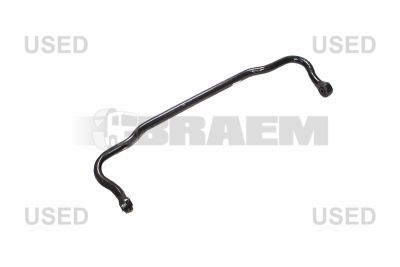 Availability: Request availability85.43715.0008.OCC €1,098.00
Guide price excl. VAT
Equivalenten:
85.43715.0008, 85437150008, 85.43715-0008, 85.43715.0008.OCC, 85437150008OCC, 85.43715-0008.OCC - Second-Hand Recovered from used trucks, we offer these parts. They are still in top condition and can last a long time.
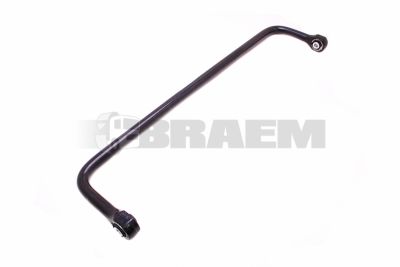 Availability: Request availability85.43715.6011.OCC €585.00
Guide price excl. VAT
Equivalenten:
85.43715.6011, 85437156011, 85.43715-6011, 85.43715.6011.OCC, 85437156011OCC, 85.43715-6011.OCC - New Thanks to our product knowledge and built-up relationships with manufacturers worldwide, we found the most reliable alternatives. Best price-quality.
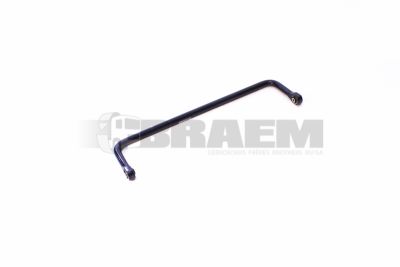 Availability: Request availability85.43715.6014€1,358.37
Guide price excl. VAT
Equivalenten:
85.43715.6014, 85437156014, 85.43715-6014, 85437156014, 85437156014 - New Thanks to our product knowledge and built-up relationships with manufacturers worldwide, we found the most reliable alternatives. Best price-quality.
 Availability: Request availabilityAMO6394 €221.41
Guide price excl. VAT
Equivalenten:
19-310206, 19310206, AMO6394, 6394, MB907.320.28.00, 9073202800, A9073202800 - New Thanks to our product knowledge and built-up relationships with manufacturers worldwide, we found the most reliable alternatives. Best price-quality.
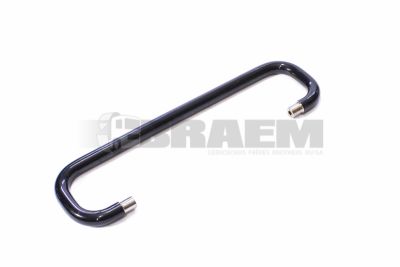 Availability: Request availabilityCAR2.326.0001 €738.42
Guide price excl. VAT
Equivalenten:
CAR2.326.0001, 23260001, STR-90385, 90385, MB943.326.05.65, 9433260565, A9433260565 - New Thanks to our product knowledge and built-up relationships with manufacturers worldwide, we found the most reliable alternatives. Best price-quality.
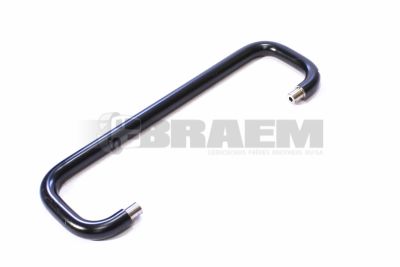 Availability: Request availabilityMB375.326.01.65€1,060.82
Guide price excl. VAT
Equivalenten:
VSO21.039, 21039, MB375.326.01.65.OCC, 3753260165OCC, A3753260165OCC, MB943.326.06.65.OCC, 9433260665OCC, A9433260665OCC, MB375.326.01.65, 3753260165, A3753260165 ... - Second-Hand Recovered from used trucks, we offer these parts. They are still in top condition and can last a long time.
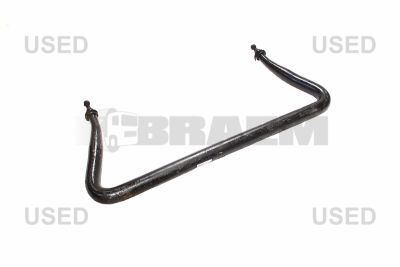 Availability: Request availabilityMB383.326.02.65.OCC €1,410.72
Guide price excl. VAT
Equivalenten:
MER383.326.02.65, 3833260265, A3833260265, MB383.326.02.65.OCC, 3833260265OCC, A3833260265OCC, MB383.326.02.65, 3833260265, A3833260265 - New Thanks to our product knowledge and built-up relationships with manufacturers worldwide, we found the most reliable alternatives. Best price-quality.
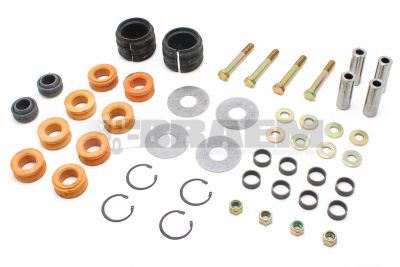 Availability: Request availabilityMB621.320.00.11€694.86
Guide price excl. VAT
Equivalenten:
VSO22.003, 22003, MB621.320.00.11, 6213200011, A6213200011 - New Thanks to our product knowledge and built-up relationships with manufacturers worldwide, we found the most reliable alternatives. Best price-quality.
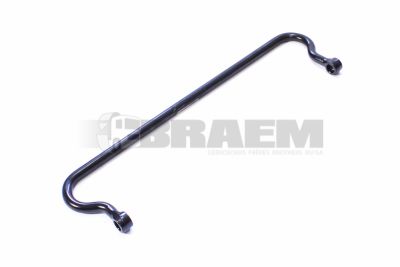 Availability: Request availabilityMB621.323.02.65€597.17
Guide price excl. VAT
Equivalenten:
MB621.323.02.65, 6213230265, A6213230265 - New Thanks to our product knowledge and built-up relationships with manufacturers worldwide, we found the most reliable alternatives. Best price-quality.
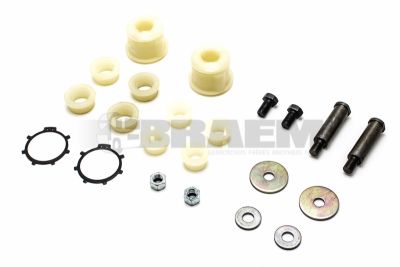 Availability: Request availabilityMB625.320.06.11€266.00
Guide price excl. VAT
Equivalenten:
VSO22.006, 22006, MB625.320.06.11, 6253200611, A6253200611 - New Thanks to our product knowledge and built-up relationships with manufacturers worldwide, we found the most reliable alternatives. Best price-quality.
 Availability: Request availabilityMB652.323.07.65€503.07
Guide price excl. VAT
Equivalenten:
VSO21.020, 21020, MB652.323.07.65.OCC, 6523230765OCC, A6523230765OCC, MB620.323.01.65, 6203230165, A6203230165, MB652.323.07.65, 6523230765, A6523230765 - Second-Hand Recovered from used trucks, we offer these parts. They are still in top condition and can last a long time.
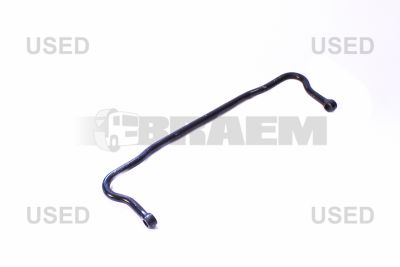 Availability: Request availabilityMB652.323.07.65.OCC €309.76
Guide price excl. VAT
Equivalenten:
VSO21.020, 21020, MB652.323.07.65.OCC, 6523230765OCC, A6523230765OCC, MB652.323.07.65, 6523230765, A6523230765
Anti-roll bars limit body roll when the left and right wheels undergo different amounts of suspension compression. These anti-roll bars form part of the chassis and may be fitted to individual axles, depending on the suspension configuration. The anti-roll bar is subjected to torsion and generates an opposing torque. On MAN and Mercedes trucks, buses and vans, this connection affects roll stiffness and load transfer between the wheels. Excessive body roll or knocking on uneven roads therefore calls for inspection of the torsion bar, anti-roll bar bushes, drop links and mounting brackets. An anti-roll bar does not compensate for incorrect loading, faulty shock absorbers or incorrect ride height.
Always identify parts using the vehicle's chassis number. Visual comparison or selection based on the model name alone is never sufficient. Within ranges such as MAN TGS and TGX, Mercedes Actros and Arocs, anti-roll bars can vary according to axle configuration, permitted axle load, leaf or air suspension and chassis specification. The specific axle configuration is also decisive for MAN TGE, Mercedes Sprinter and buses such as Lion’s City and Citaro.
Anti-roll bars are available in solid and hollow designs, usually made from heat-treated spring steel. Diameter, wall thickness in hollow designs, effective torsion length and lever arm length together determine stiffness. With all other parameters equal, the torsional stiffness of a solid circular cross-section increases with the fourth power of its diameter. Fitting a thicker version without manufacturer approval therefore changes the suspension characteristics. Also check bend geometry, mounting distances, attachment eyes and bush seating surfaces. The internal diameter and construction of the elastomer bushes must match the specified bar diameter and fit.
Typical symptoms include tapping as the suspension compresses alternately on either side, squeaking at low speeds and increased body roll. Causes include worn anti-roll bar bushes, separated rubber-to-metal bonds, play in drop link ball joints or loose mountings. Corrosion pitting, fatigue cracks at bends and damaged bush seating surfaces may make bar replacement necessary.
- Check the initial condition. On level ground, measure the ride height on the left and right at the manufacturer's reference points. Check the load, tyre pressures and levelling system before attributing any difference to the anti-roll bar.
- Secure the vehicle. Support the chassis and axles in accordance with the workshop procedure and secure the air suspension against unexpected lowering. Position both sides evenly as specified to avoid uncontrolled torsional preload during removal.
- Locate any play. Apply a controlled load to the connections using a pry bar and observe the bushes, ball joints and brackets individually. Where specified, measure relative movement using a dial indicator. Compare the results with the manufacturer's limits; elastic deformation of rubber does not automatically indicate wear.
- Check dimensions and damage. Clean the bush seating surfaces and measure the bar diameter in several directions using an outside micrometer to check for ovality and wear. Inspect bends and connections for cracks. If necessary, have a qualified specialist carry out magnetic particle testing on suspect areas.
Replace broken, cracked or permanently deformed anti-roll bars; welding, heat straightening or localised grinding reduces fatigue strength. Fitting new bushes to a worn bush seating surface will not resolve recurring play. Therefore, also check the drop links, brackets and mounting surfaces. Use only the specified assembly aids: unsuitable grease can damage elastomers or alter the intended friction characteristics.
Fit the correct fasteners and observe the specified tightening torques, any additional tightening angles and replacement requirements for locknuts. Fully tighten connections with bonded rubber-to-metal bushes at the specified ride height. Then check clearance throughout the suspension travel and carry out a safe road test. Braem can provide technical Support in selecting matching anti-roll bar components using the chassis number.