 English
 Nederlands
 Français
 Deutsch
 Español
 Polski
 Русский
 العربية
 Română
Call us on +32 (0) 51 57 58 58 or contact us.
Electrical for MAN / Mercedes trucks, buses and vans

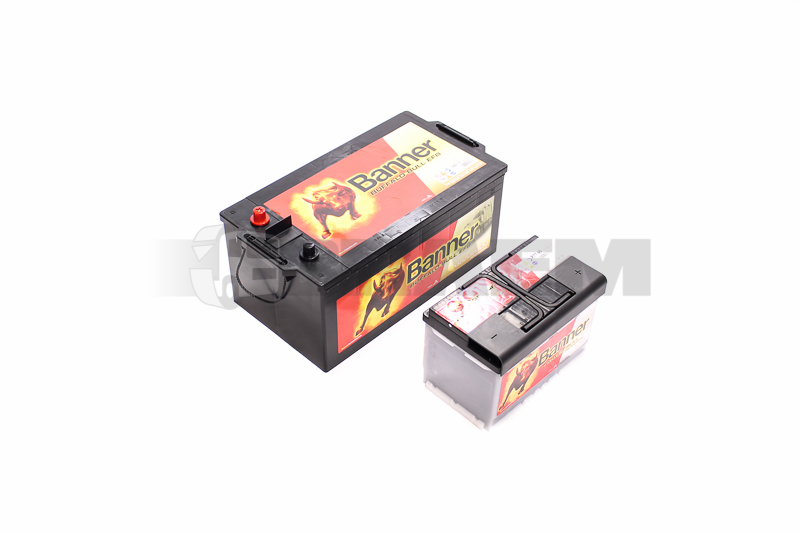

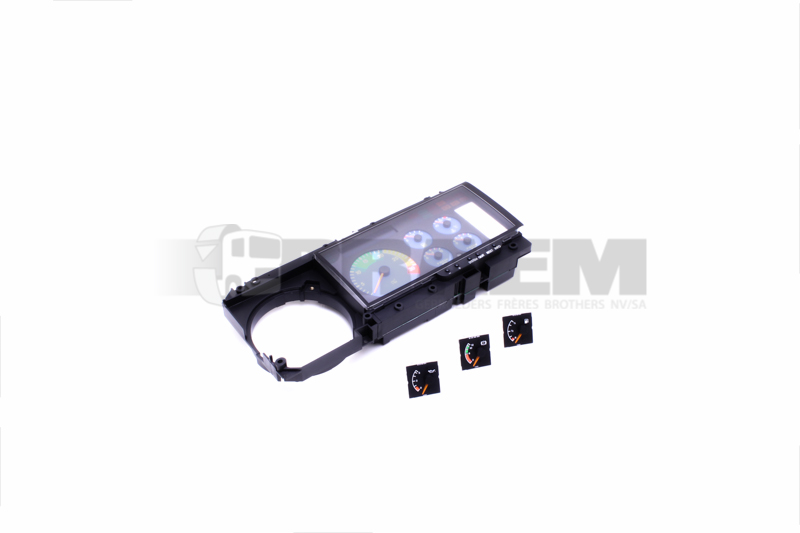


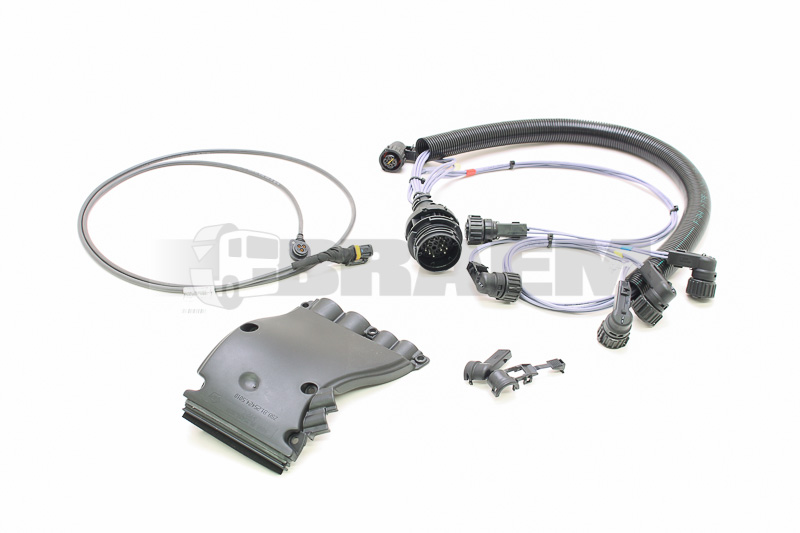
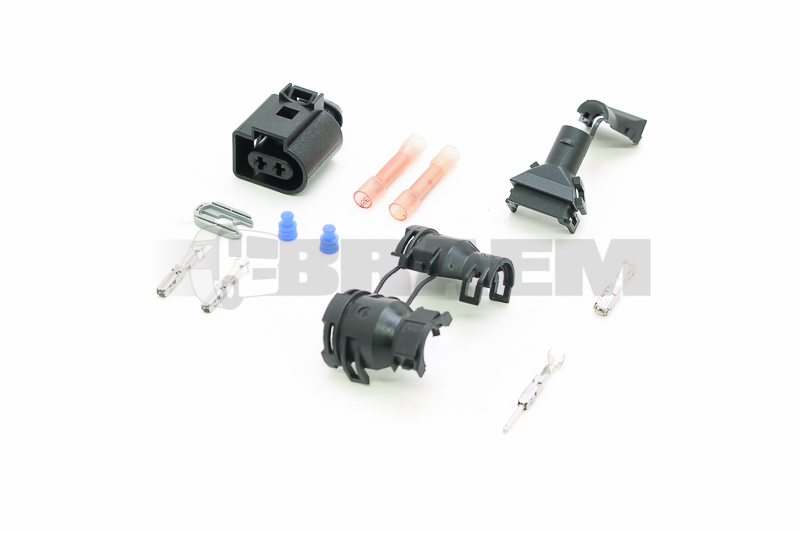

Electrical systems make out the nervous system of modern MAN and Mercedes trucks, coaches and vans. Supplying, starting, powering, using, charging, controlling, supporting, improving, safeguarding, communicating, optimizing and informing are verbs that apply to a vehicle. Whereas vehicles used to be controlled mainly mechanically, today virtually all essential functions depend on a correct functioning electrical system. The components of this electrical system are connected by wiring harnesses. Due to intensive use, vibrations, temperature fluctuations and moisture, electrical parts are sensitive to wear and malfunctions. At Braem you will find an extensive range of electrical parts that enable repairs to be carried out correctly, durably and professionally.
The role of electrical systems within the vehicle
The batteries supply the required electrical energy to start the engine via the starter motor. The gear mounted at the front of the starter motor engages with the ring gear of the flywheel. The flywheel mounted on the crankshaft sets the engine in motion so it can start. In addition, the batteries temporarily supply the current needed for electrical systems when the engine is not running. The alternator, which is mounted on the engine and driven by the engine via belts tensioned with belt tensioners, supplies the vehicle with power while driving without draining the batteries. It charges the batteries. The electrical system ensures that the lighting, such as headlights, rear lights, turn signals, warning lights, license plate lights, work lights, driving lamps, fog lights, clearance lights, and interior lighting, works. Furthermore, the electrical system supports controls and instruments. Switches, gauges, sensors and the dashboard are powered, so the driver is continuously informed about speed, fuel level, oil pressure and other vehicle data. Much of this data is processed via control units, also known as Electronic Control Units (ECUs). These ECUs perform calculations with this data and control other systems accordingly.
Interaction with engine, fuel and safety systems
The engine is monitored by means of various engine sensors. These sensors measure, among other things, the coolant temperature, the engine oil pressure and the engine speed. The results are displayed in the dashboard via a temperature gauge, an oil pressure gauge and a tachometer. The vehicle speed is monitored via a KITAS sensor mounted on the rear of the gearbox. This sensor converts a rotating movement of a toothed disc into electrical signals that are sent to an engine control unit. This control unit processes the electrical signals, which operate the tachograph and the speedometer mounted in the dashboard. Everything is connected by means of cable looms. A fuel level sensor mounted in the fuel tank drives the fuel gauge.
Main electrical components and their function
ECUs, also known as control units, are computers that receive signals from sensors. These control units process these signals and compare the obtained data with the data required to keep the vehicle operating optimally. In case of deviations, the ECUs adjust the vehicle processes.
Starting and charging system
The starter motor and alternator ensure that the vehicle starts reliably and that the batteries remain properly charged. Wear to carbon brushes, bearings or voltage regulators leads to starting problems or voltage fluctuations. These voltage spikes can damage other electronic modules, causing expensive repairs.
Common electrical faults and causes
Poor battery terminals, empty or weak batteries, a faulty alternator or voltage regulator cause starting problems, malfunctioning ECUs and fault codes on the dashboard. This can cause the vehicle to go into limp mode. Breaks in the wiring harness or damaged wiring prevent different components from communicating with each other. Moisture in connectors and connector housings and cable lugs causes poor contact between the various components. Faulty sensors lead to incorrect measurements. As a result, the control units receive incorrect data. This can lead to incorrect gauge readings and fault codes. Fuses and relays fail due to overload and internal wear and cause complete failure of a system. Proper grounding (called earth grounding) is essential for the safety, reliability and correct operation of all electrical systems.
Impact of vibrations, moisture and age
Vibrations from the chassis and the suspension cause cable breaks due to chafing and loose connectors. Moisture ingress leads to oxidation, especially in connectors and ground points. Older wiring harnesses lose their flexibility, causing internal wires to break without visible damage on the outside.
These problems manifest themselves in irregular fault codes, lighting outages or malfunctions in control modules, which is very disruptive in daily use.
The importance of timely diagnosis and preventive action
Electrical faults are sometimes ignored as long as the vehicle still drives. In professional applications, however, that is a risk.
Why postponing becomes more expensive
A small voltage deviation can lead to overloading of electronic modules. This increases the likelihood of cascade failures in which multiple systems fail at the same time. Think of fault messages that also affect the gearbox or the steering system. Timely replacement of sensors or cable sections prevents small issues from developing into large-scale electrical faults.
Repairing or replacing electrical parts
Not every electrical problem requires complete replacement, but the right decision is crucial for reliability.
When repairing is responsible
Cable repairs, replacement of connectors and restoration of ground points are often sensible when the damage is local and clearly defined. This does, however, require accurate diagnosis and correct sealing to prevent recurrence.
When replacement is the best choice
The average service life of batteries is 3 to 6 years. This service life is shortened by intensive and improper use. Many short trips cause them to wear out faster, because the engine needs to be started more often. Batteries sometimes run flat due to poor ground, a faulty alternator or excessive power consumption. In this case, after charging and testing, the batteries are not yet replaced. In the other case, they need to be replaced because they do not provide sufficient voltage or capacity.
Electrical systems designed for intensive use
MAN and Mercedes vehicles are used in a wide range of conditions. Electrical components must withstand long driving times, temperature fluctuations and heavy loads.
Practical advice from experience
Our specialists advise always checking the entire circuit in the event of electrical faults. Replacing one sensor without addressing the cause of voltage problems often leads to recurring complaints. Below you can see the practical sequence when troubleshooting: Measure battery voltage. Check ground. Check fuses and relays. Check connectors, cable lugs and cables. Read out sensor values. Check ECUs.
The added value of Braem for electrical parts
Braem has a very large stock of electrical parts for MAN and Mercedes trucks, buses and vans. Thanks to fast availability and technical expertise, faults can be resolved efficiently.
Customers rely on Braem because of:
- Good quality through thorough quality control
- We repair control units, helping to keep costs down
- Technical support for disassembly and installation
- Fast delivery within Europe and beyond
- Transparent warranty and return conditions
Reliable electrical systems are essential for modern vehicles. With the right parts and expertise, downtime is kept to a minimum and vehicles remain safely deployable.