 English
 Nederlands
 Français
 Deutsch
 Español
 Polski
 Русский
 العربية
 Română
Call us on +32 (0) 51 57 58 58 or contact us.
Switches
- New Thanks to our product knowledge and built-up relationships with manufacturers worldwide, we found the most reliable alternatives. Best price-quality.
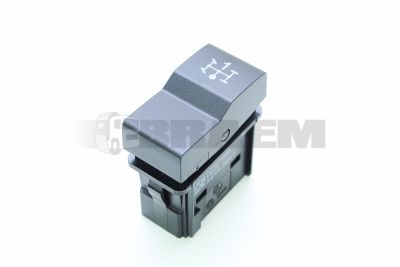 Availability: Immediately availableMB012.545.06.07€76.62
Guide price excl. VAT
Equivalenten:
MB012.545.06.07.OCC, 0125450607OCC, A0125450607OCC, MB012.545.06.07, 0125450607, A0125450607 - Second-Hand Recovered from used trucks, we offer these parts. They are still in top condition and can last a long time.
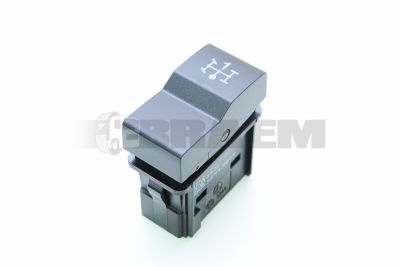 Availability: Immediately availableMB012.545.06.07.OCC
 €46.52
Guide price excl. VAT
Equivalenten:
MER012.545.06.07, 0125450607, A0125450607, MB012.545.06.07.OCC, 0125450607OCC, A0125450607OCC, MB012.545.06.07, 0125450607, A0125450607 - New Thanks to our product knowledge and built-up relationships with manufacturers worldwide, we found the most reliable alternatives. Best price-quality.
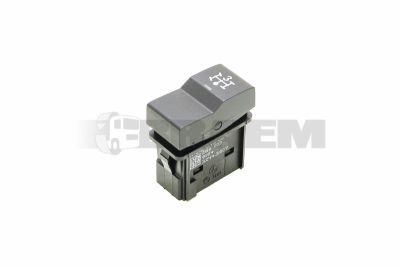 Availability: Immediately availableMB012.545.08.07€72.14
Guide price excl. VAT
Equivalenten:
MB012.545.08.07, 0125450807, A0125450807 - New Thanks to our product knowledge and built-up relationships with manufacturers worldwide, we found the most reliable alternatives. Best price-quality.
 Availability: Immediately availableMB012.545.09.07€72.14
Guide price excl. VAT
Equivalenten:
ELE2.545.0154, 25450154, MB012.545.09.07.OCC, 0125450907OCC, A0125450907OCC, MB012.545.09.07, 0125450907, A0125450907 - Second-Hand Recovered from used trucks, we offer these parts. They are still in top condition and can last a long time.
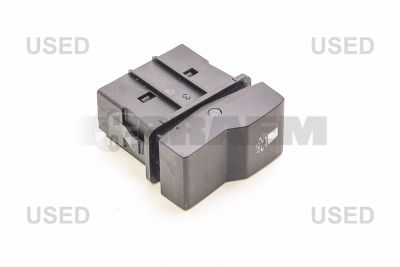 Availability: Immediately availableMB012.545.12.07.OCC €43.79
Guide price excl. VAT
Equivalenten:
MER012.545.12.07, 0125451207, A0125451207, MB012.545.12.07.OCC, 0125451207OCC, A0125451207OCC, MB012.545.12.07, 0125451207, A0125451207 - Second-Hand Recovered from used trucks, we offer these parts. They are still in top condition and can last a long time.
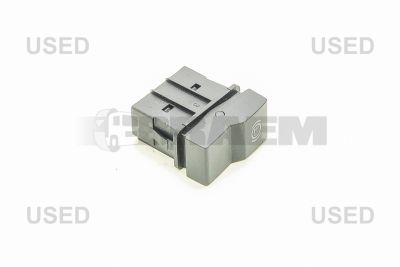 Availability: Immediately availableMB012.545.16.07.OCC €43.79
Guide price excl. VAT
Equivalenten:
MER012.545.16.07, 0125451607, A0125451607, MB012.545.16.07.OCC, 0125451607OCC, A0125451607OCC, MB012.545.16.07, 0125451607, A0125451607 - Second-Hand Recovered from used trucks, we offer these parts. They are still in top condition and can last a long time.
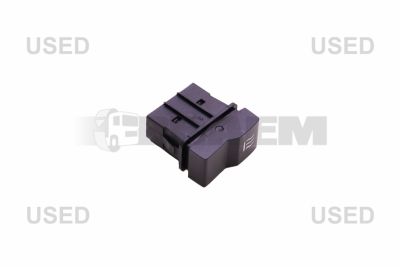 Availability: Immediately availableMB012.545.18.07.OCC €41.74
Guide price excl. VAT
Equivalenten:
MER012.545.18.07, 0125451807, A0125451807, MB012.545.18.07.OCC, 0125451807OCC, A0125451807OCC, MB012.545.18.07, 0125451807, A0125451807 - Second-Hand Recovered from used trucks, we offer these parts. They are still in top condition and can last a long time.
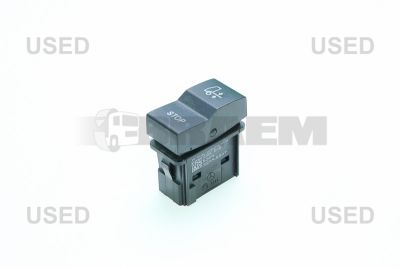 Availability: Immediately availableMB012.545.28.07.OCC €41.74
Guide price excl. VAT
Equivalenten:
MER012.545.28.07, 0125452807, A0125452807, MB012.545.28.07.OCC, 0125452807OCC, A0125452807OCC, MB012.545.28.07, 0125452807, A0125452807 - Second-Hand Recovered from used trucks, we offer these parts. They are still in top condition and can last a long time.
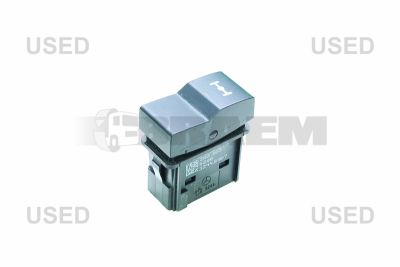 Availability: Immediately availableMB012.545.34.07.OCC €43.79
Guide price excl. VAT
Equivalenten:
MER012.545.34.07, 0125453407, A0125453407, MB012.545.34.07.OCC, 0125453407OCC, A0125453407OCC, MB012.545.34.07, 0125453407, A0125453407 - Second-Hand Recovered from used trucks, we offer these parts. They are still in top condition and can last a long time.
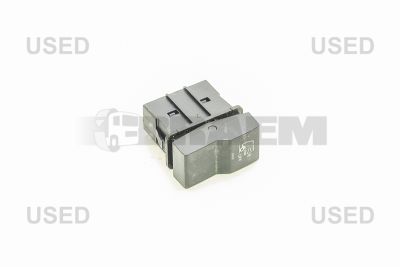 Availability: Immediately availableMB012.545.38.07.OCC €43.79
Guide price excl. VAT
Equivalenten:
MER012.545.38.07, 0125453807, A0125453807, MB012.545.38.07.OCC, 0125453807OCC, A0125453807OCC, MB012.545.38.07, 0125453807, A0125453807 - New Thanks to our product knowledge and built-up relationships with manufacturers worldwide, we found the most reliable alternatives. Best price-quality.
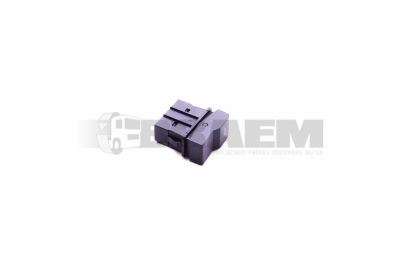 Availability: Immediately availableMB012.545.40.07€72.14
Guide price excl. VAT
Equivalenten:
MB012.545.40.07.OCC, 0125454007OCC, A0125454007OCC, MB012.545.40.07, 0125454007, A0125454007 - Second-Hand Recovered from used trucks, we offer these parts. They are still in top condition and can last a long time.
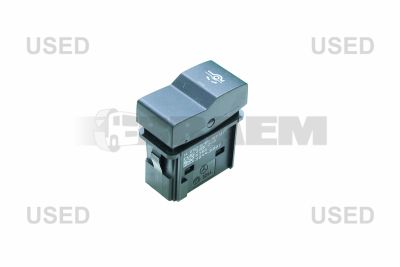 Availability: Immediately availableMB012.545.41.07.OCC €43.79
Guide price excl. VAT
Equivalenten:
MER012.545.41.07, 0125454107, A0125454107, MB012.545.41.07.OCC, 0125454107OCC, A0125454107OCC, MB012.545.41.07, 0125454107, A0125454107 - Second-Hand Recovered from used trucks, we offer these parts. They are still in top condition and can last a long time.
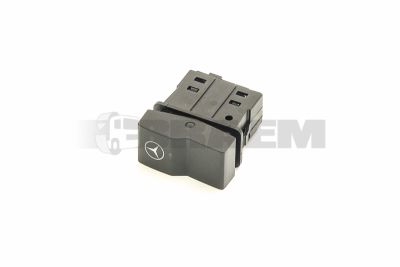 Availability: Immediately availableMB012.545.42.07.OCC €51.32
Guide price excl. VAT
Equivalenten:
MER012.545.42.07, 0125454207, A0125454207, MB012.545.42.07.OCC, 0125454207OCC, A0125454207OCC, MB012.545.42.07, 0125454207, A0125454207 - Second-Hand Recovered from used trucks, we offer these parts. They are still in top condition and can last a long time.
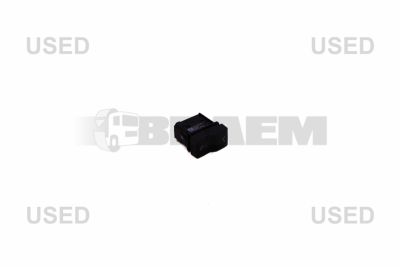 Availability: Immediately availableMB012.545.43.07.OCC €43.79
Guide price excl. VAT
Equivalenten:
MER012.545.43.07, 0125454307, A0125454307, MB012.545.43.07.OCC, 0125454307OCC, A0125454307OCC, MB012.545.43.07, 0125454307, A0125454307 - Second-Hand Recovered from used trucks, we offer these parts. They are still in top condition and can last a long time.
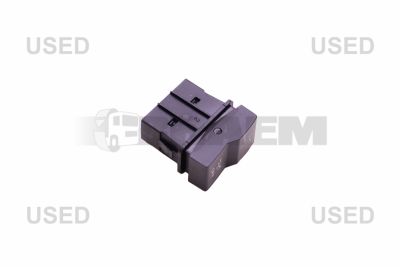 Availability: Immediately availableMB012.545.44.07.OCC €43.79
Guide price excl. VAT
Equivalenten:
MER012.545.44.07, 0125454407, A0125454407, MB012.545.44.07.OCC, 0125454407OCC, A0125454407OCC, MB012.545.44.07, 0125454407, A0125454407 - Second-Hand Recovered from used trucks, we offer these parts. They are still in top condition and can last a long time.
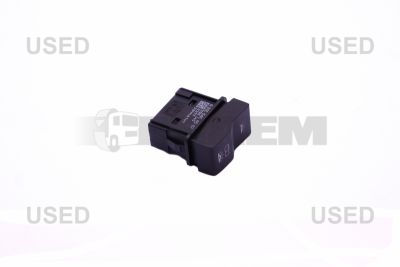 Availability: Immediately availableMB012.545.45.07.OCC €43.79
Guide price excl. VAT
Equivalenten:
MER012.545.45.07, 0125454507, A0125454507, MB012.545.45.07.OCC, 0125454507OCC, A0125454507OCC, MB012.545.45.07, 0125454507, A0125454507 - New Thanks to our product knowledge and built-up relationships with manufacturers worldwide, we found the most reliable alternatives. Best price-quality.
 Availability: Immediately availableMB012.545.46.07€72.14
Guide price excl. VAT
Equivalenten:
MB012.545.46.07, 0125454607, A0125454607 - Second-Hand Recovered from used trucks, we offer these parts. They are still in top condition and can last a long time.
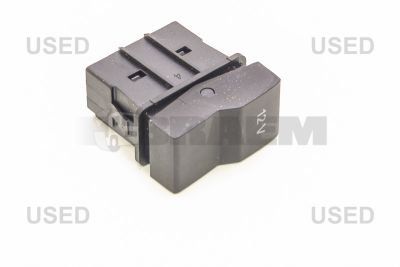 Availability: Immediately availableMB012.545.49.07.OCC €43.79
Guide price excl. VAT
Equivalenten:
MER012.545.49.07, 0125454907, A0125454907, MB012.545.49.07.OCC, 0125454907OCC, A0125454907OCC, MB012.545.49.07, 0125454907, A0125454907 - Second-Hand Recovered from used trucks, we offer these parts. They are still in top condition and can last a long time.
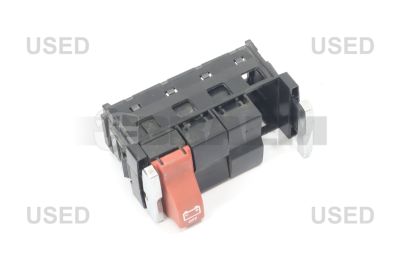 Availability: Immediately availableMB012.545.50.07.OCC €63.26
Guide price excl. VAT
Equivalenten:
MER012.545.50.07, 0125455007, A0125455007, MB012.545.50.07.OCC, 0125455007OCC, A0125455007OCC, MB012.545.50.07, 0125455007, A0125455007 - Second-Hand Recovered from used trucks, we offer these parts. They are still in top condition and can last a long time.
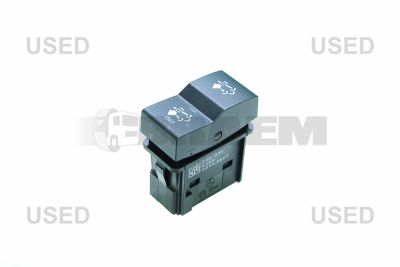 Availability: Immediately availableMB012.545.51.07.OCC €43.79
Guide price excl. VAT
Equivalenten:
MER012.545.51.07, 0125455107, A0125455107, MB012.545.51.07.OCC, 0125455107OCC, A0125455107OCC, MB012.545.51.07, 0125455107, A0125455107 - Second-Hand Recovered from used trucks, we offer these parts. They are still in top condition and can last a long time.
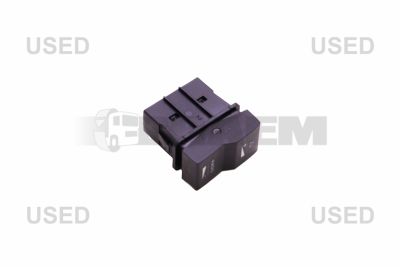 Availability: Immediately availableMB012.545.52.07.OCC €43.79
Guide price excl. VAT
Equivalenten:
MER012.545.52.07, 0125455207, A0125455207, MB012.545.52.07.OCC, 0125455207OCC, A0125455207OCC, MB012.545.52.07, 0125455207, A0125455207 - Second-Hand Recovered from used trucks, we offer these parts. They are still in top condition and can last a long time.
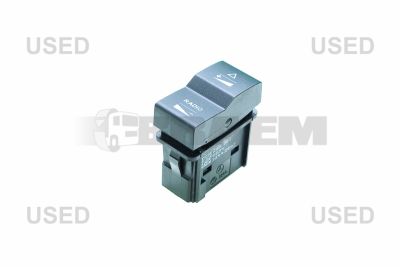 Availability: Immediately availableMB012.545.53.07.OCC €43.79
Guide price excl. VAT
Equivalenten:
MER012.545.53.07, 0125455307, A0125455307, MB012.545.53.07.OCC, 0125455307OCC, A0125455307OCC, MB012.545.53.07, 0125455307, A0125455307 - Second-Hand Recovered from used trucks, we offer these parts. They are still in top condition and can last a long time.
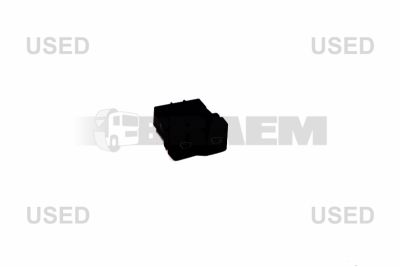 Availability: Immediately availableMB012.545.56.07.OCC €43.79
Guide price excl. VAT
Equivalenten:
MER012.545.56.07, 0125455607, A0125455607, MB012.545.56.07.OCC, 0125455607OCC, A0125455607OCC, MB012.545.56.07, 0125455607, A0125455607 - Second-Hand Recovered from used trucks, we offer these parts. They are still in top condition and can last a long time.
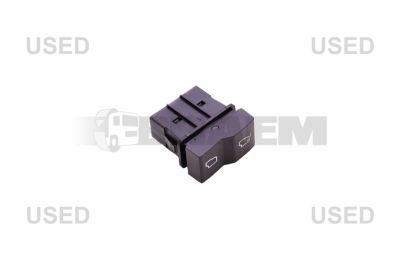 Availability: Immediately availableMB012.545.57.07.OCC €43.79
Guide price excl. VAT
Equivalenten:
MER012.545.57.07, 0125455707, A0125455707, MB012.545.57.07.OCC, 0125455707OCC, A0125455707OCC, MB012.545.57.07, 0125455707, A0125455707
Cab switches form the control interface between the driver, vehicle wiring and electronic control units. They control functions including lighting, turn signals, fog lights, windscreen wipers, windscreen heating, cab lighting, horn, PTO (Power Take-Off), differential locks, mirror heating, HVAC (Heating, Ventilation and Air Conditioning) and additional functions. For MAN F8, F90, F2000, TGL, TGM, TGS, TGX, TG3 and TGE, as well as Mercedes TN, Vario, Sprinter, Vito, Atego, Axor, Actros, Arocs, Econic and Antos, there are significant differences in connector pinouts, CAN bus communication, lighting functions and dashboard configuration. Control panels on MAN Lion’s City and Neoplan buses, as well as Mercedes Citaro, Intouro and Tourismo buses, are also often configured specifically for each vehicle.
A switch must therefore always be identified based on the vehicle chassis number. Visual comparison or selection by model name alone is never sufficient. Identical push buttons may, for example, differ in pin configuration, contact logic, symbol marking, backlighting, colour coding, software coding and connected control unit.
Cab electrical systems use rocker switches, push-button switches, rotary switches, multifunction steering column switches, emergency switches and complete switch panels, among others. Conventional switches operate with mechanical contact bridges and carry a specific current load directly. Modern versions often function as low-current signal transmitters for an ECU (Electronic Control Unit), BCM (Body Control Module) or CAN bus (Controller Area Network). As a result, a switch with the same housing must not be exchanged without verification.
When selecting a switch, pay attention to the number of poles, connector shape, connector locking mechanism, rated voltage of 12 V or 24 V, permissible contact load in amperes, type of illumination and required function. A switch for work lights may, for example, have a latching position, whereas a horn switch or windscreen washer control uses a momentary contact. On vehicles with LED lighting, automatic light control or EBS (Electronic Braking System), an incorrect part may also cause faults that do not appear to be directly linked to the switch.
Common faults include intermittent operation, increased contact resistance, burnt contacts, broken return springs, loose buttons, moisture ingress and wear of the plastic guides. In heavily used trucks, buses and vans, vibrations and temperature fluctuations cause microcracks in solder joints or contact tracks. In the event of drink spills or moisture ingress, oxidation and electrolytic corrosion may occur in the connector. A button that clicks correctly mechanically is therefore not automatically electrically reliable.
First check the relevant fuse, ground connection, relay and wiring harness before replacing the switch. Use a multimeter to measure the supply voltage at the connector under load; a voltage drop is more likely to indicate wiring or ground problems, or an oxidised connector, than an issue with the control module itself. For conventional contact switches, continuity is measured with the connector disconnected: in the switched-on position, contact resistance should be close to zero ohms. For CAN bus-controlled operation, diagnosis via the vehicle diagnostic tester is required. Check live data, status bits and fault codes from the relevant ECU to confirm whether the command reaches the control unit.
Before dismantling, disconnect the battery according to the vehicle procedure, especially when working on steering wheel controls, dashboard panels or switches near airbag components. Inspect the connection pins for discolouration, loose contact and heat damage; a charred connector housing must be repaired together with any damaged terminals. Install the new switch without voltage in the correct fitment, without forcing the plastic clips. Then test every connected function, the backlighting and any fault code clearance using diagnostic equipment.
To minimise downtime efficiently, it is advisable to also assess wiring harness grommets, cab ground points and moisture protection in the event of recurring faults. Technical support with chassis number-based identification helps prevent incorrect installation and unnecessary repairs.