 English
 Nederlands
 Français
 Deutsch
 Español
 Polski
 Русский
 العربية
 Română
Call us on +32 (0) 51 57 58 58 or contact us.
Exhaust pipe
- New Thanks to our product knowledge and built-up relationships with manufacturers worldwide, we found the most reliable alternatives. Best price-quality.
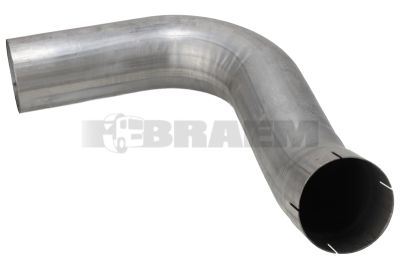 Availability: Immediately availableULO6039
 €272.74
Guide price excl. VAT
Equivalenten:
81.15204.0703, 81152040703, 81.15204-0703, 81.15204.0719, 81152040719, 81.15204-0719, ULO6039, 6039 - New Thanks to our product knowledge and built-up relationships with manufacturers worldwide, we found the most reliable alternatives. Best price-quality.
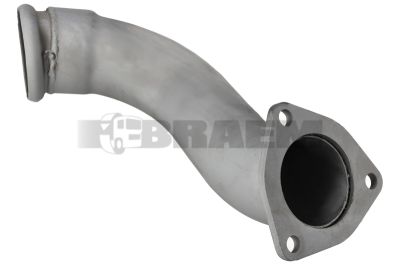 Availability: Immediately availableULO6521 €454.17
Guide price excl. VAT
Equivalenten:
ULO6521, 6521 - New Thanks to our product knowledge and built-up relationships with manufacturers worldwide, we found the most reliable alternatives. Best price-quality.
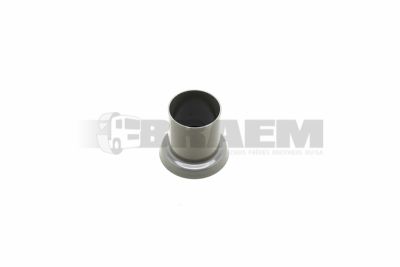 Availability: Immediately availableULO6537 €10.49
Guide price excl. VAT
Equivalenten:
FEB10821, 10821, 019.216-00A, 01921600A, 12.030.1934.200, 120301934200, ARC-EXP.301381, EXP301381, ULO6537, 6537, MB617.492.00.08, 6174920008, A6174920008, MB620.492.00.08 ... - New Thanks to our product knowledge and built-up relationships with manufacturers worldwide, we found the most reliable alternatives. Best price-quality.
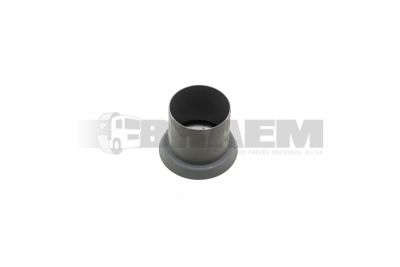 Availability: Immediately availableULO6538 €7.92
Guide price excl. VAT
Equivalenten:
FEB10822, 10822, 019.213-00A, 01921300A, 12.030.1934.210, 120301934210, DT4.62055, 462055, ULO6538, 6538, MB620.492.02.08, 6204920208, A6204920208 - New Thanks to our product knowledge and built-up relationships with manufacturers worldwide, we found the most reliable alternatives. Best price-quality.
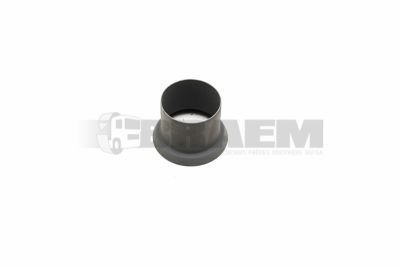 Availability: Immediately availableULO6539 €7.25
Guide price excl. VAT
Equivalenten:
FEB10820, 10820, 019.215-00A, 01921500A, DT4.62057, 462057, ULO6539, 6539, MB621.492.00.08, 6214920008, A6214920008 - New Thanks to our product knowledge and built-up relationships with manufacturers worldwide, we found the most reliable alternatives. Best price-quality.
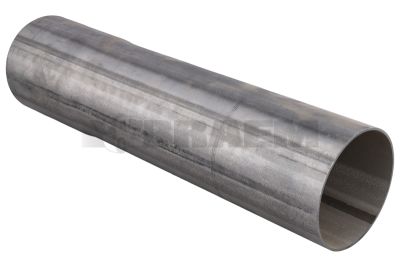 Availability: Immediately availableULO6540 €74.45
Guide price excl. VAT
Equivalenten:
ULO6540, 6540, MB302.492.05.09, 3024920509, A3024920509 - New Thanks to our product knowledge and built-up relationships with manufacturers worldwide, we found the most reliable alternatives. Best price-quality.
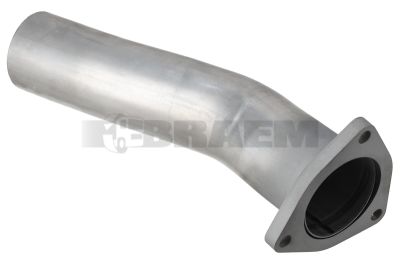 Availability: Immediately availableULO6544 €164.13
Guide price excl. VAT
Equivalenten:
ULO6544, 6544, MB674.490.29.19, 6744902919, A6744902919 - New Thanks to our product knowledge and built-up relationships with manufacturers worldwide, we found the most reliable alternatives. Best price-quality.
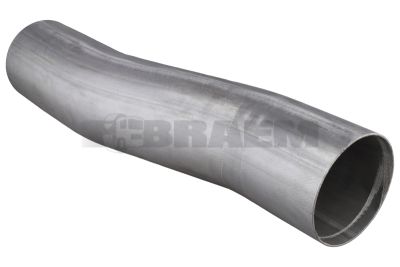 Availability: Immediately availableULO6545 €90.00
Guide price excl. VAT
Equivalenten:
ULO6545, 6545, MB668.492.88.04, 6684928804, A6684928804 - New Thanks to our product knowledge and built-up relationships with manufacturers worldwide, we found the most reliable alternatives. Best price-quality.
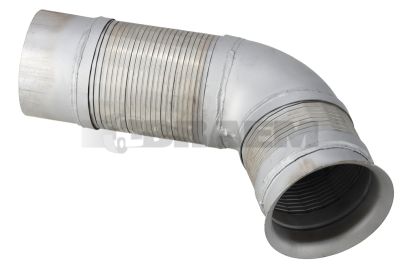 Availability: Immediately availableULO6546 €82.41
Guide price excl. VAT
Equivalenten:
MB942.490.40.19.OCC, 9424904019OCC, A9424904019OCC, MER942.490.40.19AM, 9424904019AM, A9424904019AM, ULO6546, 6546 - New Thanks to our product knowledge and built-up relationships with manufacturers worldwide, we found the most reliable alternatives. Best price-quality.
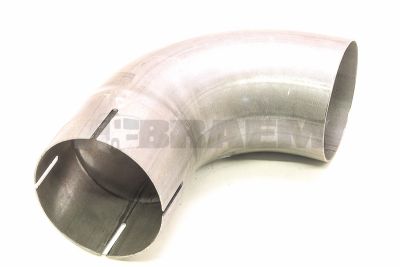 Availability: Immediately availableULO6553 €76.64
Guide price excl. VAT
Equivalenten:
ULO6553, 6553, MB670.492.14.04, 6704921404, A6704921404 - New Thanks to our product knowledge and built-up relationships with manufacturers worldwide, we found the most reliable alternatives. Best price-quality.
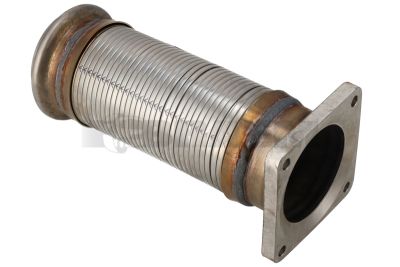 Availability: Immediately availableULO7022 €601.10
Guide price excl. VAT
Equivalenten:
36.15210.5005, 36152105005, 36.15210-5005, ULO7022, 7022 - Second-Hand Recovered from used trucks, we offer these parts. They are still in top condition and can last a long time.
 Availability: Immediately available81.15201.0249.OCC €1,020.00
Guide price excl. VAT
Equivalenten:
81.15201.0249, 81152010249, 81.15201-0249, 81.15201.0249.OCC, 81152010249OCC, 81.15201-0249.OCC - Second-Hand Recovered from used trucks, we offer these parts. They are still in top condition and can last a long time. Availability: Immediately available81.15201.0387.OCC €229.50
Guide price excl. VAT
Equivalenten:
81.15201.0387, 81152010387, 81.15201-0387, 81.15201.0387.OCC, 81152010387OCC, 81.15201-0387.OCC - Second-Hand Recovered from used trucks, we offer these parts. They are still in top condition and can last a long time. Availability: Immediately available81.15201.0392.OCC €298.50
Guide price excl. VAT
Equivalenten:
81.15201.0392, 81152010392, 81.15201-0392, 81.15201.0392.OCC, 81152010392OCC, 81.15201-0392.OCC - Second-Hand Recovered from used trucks, we offer these parts. They are still in top condition and can last a long time. Availability: Immediately available81.15201.5799.OCC €1,300.65
Guide price excl. VAT
Equivalenten:
81.15201.5799, 81152015799, 81.15201-5799, 81.15201.5799.OCC, 81152015799OCC, 81.15201-5799.OCC - Second-Hand Recovered from used trucks, we offer these parts. They are still in top condition and can last a long time. Availability: Immediately available81.15201.5800.OCC €1,368.00
Guide price excl. VAT
Equivalenten:
81.15201.5800, 81152015800, 81.15201-5800, 81.15201.5800.OCC, 81152015800OCC, 81.15201-5800.OCC - Second-Hand Recovered from used trucks, we offer these parts. They are still in top condition and can last a long time. Availability: Immediately available81.15201.5801.OCC €2,040.00
Guide price excl. VAT
Equivalenten:
81.15201.5801, 81152015801, 81.15201-5801, 81.15201.5801.OCC, 81152015801OCC, 81.15201-5801.OCC - Second-Hand Recovered from used trucks, we offer these parts. They are still in top condition and can last a long time. Availability: Immediately available81.15201.5803.OCC €459.00
Guide price excl. VAT
Equivalenten:
81.15201.5803, 81152015803, 81.15201-5803, 81.15201.5803.OCC, 81152015803OCC, 81.15201-5803.OCC - Second-Hand Recovered from used trucks, we offer these parts. They are still in top condition and can last a long time. Availability: Immediately available81.15201.5806.OCC €1,320.00
Guide price excl. VAT
Equivalenten:
81.15201.5806, 81152015806, 81.15201-5806, 81.15201.5806.OCC, 81152015806OCC, 81.15201-5806.OCC - Second-Hand Recovered from used trucks, we offer these parts. They are still in top condition and can last a long time. Availability: Immediately available81.15201.5813.OCC €453.00
Guide price excl. VAT
Equivalenten:
81.15201.5813, 81152015813, 81.15201-5813, 81.15201.5813.OCC, 81152015813OCC, 81.15201-5813.OCC - Nearly New Barely used and therefore a great opportunity! Buy these parts as if they were new, at advantageous prices. Availability: Immediately available81.15204.0543.NNP €283.50
Guide price excl. VAT
Equivalenten:
81.15204.0543, 81152040543, 81.15204-0543, 81.15204.0543.NNP, 81152040543NNP, 81.15204-0543.NNP - New Thanks to our product knowledge and built-up relationships with manufacturers worldwide, we found the most reliable alternatives. Best price-quality. Availability: Immediately available81.15204.0714€1,432.39
Guide price excl. VAT
Equivalenten:
81.15204.0714, 81152040714, 81.15204-0714, 81152040714, 81152040714 - Second-Hand Recovered from used trucks, we offer these parts. They are still in top condition and can last a long time. Availability: Immediately available81.15205.5177.OCC €622.30
Guide price excl. VAT
Equivalenten:
81.15205.5177, 81152055177, 81.15205-5177, 81.15205.5177.OCC, 81152055177OCC, 81.15205-5177.OCC - Second-Hand Recovered from used trucks, we offer these parts. They are still in top condition and can last a long time. Availability: Immediately available81.15205.5427.OCC €390.00
Guide price excl. VAT
Equivalenten:
81.15205.5427, 81152055427, 81.15205-5427, 81.15205.5427.OCC, 81152055427OCC, 81.15205-5427.OCC
Exhaust pipes connect the turbocharger, exhaust aftertreatment system and exhaust silencer, and discharge exhaust gases through the specified outlet. A leaking, deformed or incorrectly fitted pipe causes excessive noise, thermal damage to surrounding components or emission control faults. On MAN and Mercedes trucks, buses and vans, connection dimensions are not the only deciding factor: the flow cross-section, thermal management and freedom of movement must also match the original specification.
Always identify exhaust pipes using the vehicle’s chassis number. Visual comparison or selection based on model name alone is never sufficient. Also check the engine variant, emissions class, wheelbase and position of the exhaust aftertreatment system. On MAN vehicles with D08 or D26 engines and Mercedes vehicles with OM 936 or OM 471 engines, connecting flanges, pipe routing and sensor positions may vary between versions. Sprinter, TGE, Citaro and Lion’s City also require vehicle-specific pipe shapes.
Distinguish between front pipes downstream of the turbo, connecting pipes between aftertreatment modules and tailpipes downstream of the silencer. Depending on the application, these may be single-wall, double-wall or thermally insulated. The choice of material, such as aluminised steel or ferritic stainless steel, partly determines resistance to corrosion caused by condensation and to thermal fatigue. Outside diameter, wall thickness, bend radius, insertion length and flange angle must fall within the specified tolerances. Also check V-band profiles, slip joints and any connections for exhaust gas temperature sensors or pressure sensing lines.
The exhaust outlet is the end section through which exhaust gases leave the exhaust system. Its shape, position and discharge direction must match the original specification so that hot exhaust gases are not directed towards surrounding components. When replacing it, also check the mounting and the clearance around the outlet.
Depending on the vehicle specification, a pre-catalytic converter, catalytic converter and diesel particulate filter may be integrated into the front exhaust pipe. A pre-catalytic converter is an upstream catalytic converter positioned close to the engine so that it can reach operating temperature quickly. On diesel engines, an oxidation catalyst may be referred to as a DOC (Diesel Oxidation Catalyst): it converts carbon monoxide and unburnt hydrocarbons. There is no universal acronym for a pre-catalytic converter; the designation depends on the catalyst technology used and the manufacturer. The diesel particulate filter is referred to as a DPF (Diesel Particulate Filter) and traps soot particles, which are burnt off during regeneration.
An EGR branch connection and an AdBlue injector may also be integrated into the front exhaust pipe. EGR stands for Exhaust Gas Recirculation: the branch connection returns some of the exhaust gases to the intake to reduce the formation of nitrogen oxides. The AdBlue injector doses a urea solution into the exhaust gas stream upstream of the SCR catalyst. SCR stands for Selective Catalytic Reduction and converts nitrogen oxides into nitrogen and water using ammonia formed from AdBlue. AdBlue is a trade name, not an acronym. When selecting a pipe assembly, check which of these components are included.
The permissible exhaust back pressure and thermal load are engine-specific. A smaller internal diameter or a tight replacement bend increases flow resistance; additional back pressure is not an objective in itself. Around the DPF (Diesel Particulate Filter), the pipe construction must also withstand the thermal load during regeneration. Pipes with dosing or mixing functions for SCR (Selective Catalytic Reduction) must not be replaced with generic pipe sections.
Soot marks around joints, ticking noises during cold starts and hissing under load indicate possible leaks. Corrosion caused by condensation occurs mainly on short journeys; cracks next to welds often indicate vibration or stress introduced during installation. Dents can restrict flow. Repeated pipe cracking therefore also calls for checks of the engine mounts, exhaust hangers and flexible joints.
- Allow the exhaust system to cool and inspect the pipes, support brackets and heat shields. Check for signs of contact with the chassis, bodywork and wiring harnesses.
- Check suspect joints with a smoke tester at a low test pressure approved by the vehicle manufacturer. Do not use unregulated workshop compressed air.
- If there is a loss of power, read the fault codes and live pressure values. Measure exhaust back pressure at the specified measuring point using a suitable pressure gauge or pressure transducer, at the specified engine speeds and load. Compare the results with the engine-specific limits; a DPF differential pressure measurement does not automatically replace this check.
- Measure connection diameters and ovality in several directions using a vernier calliper. Check flange flatness with a straightedge and feeler gauge, in accordance with the available manufacturer’s limits.
Replace exhaust pipes that have rusted through, are severely deformed or have fatigue cracks. Repair defective hangers first; otherwise, the new pipe will be subjected to the same loads. Clean the sealing surfaces and replace gaskets and clamps where specified. Initially fit the pipe run loosely, align the connections without stress and tighten the fasteners in the specified sequence and to the specified torques. Never use the clamp to force an incorrectly fitting joint together.
Maintain sufficient clearance for thermal expansion and refit the heat shields. After installation, check for leaks and unwanted contact with the exhaust extraction system running, including after warm-up. Braem can provide technical support to identify the correct version using the chassis number.