 English
 Nederlands
 Français
 Deutsch
 Español
 Polski
 Русский
 العربية
 Română
Call us on +32 (0) 51 57 58 58 or contact us.
Self-locking differential
- New Thanks to our product knowledge and built-up relationships with manufacturers worldwide, we found the most reliable alternatives. Best price-quality.
 Availability: Request availabilityDIF1708
 €143.26
Guide price excl. VAT
Equivalenten:
81.35612.0014, 81356120014, 81.35612-0014, 81.35612.0019, 81356120019, 81.35612-0019, 56170396, 56170396, DIF1708, 1708 - New Thanks to our product knowledge and built-up relationships with manufacturers worldwide, we found the most reliable alternatives. Best price-quality.
 Availability: Request availabilityDIF1714 €124.20
Guide price excl. VAT
Equivalenten:
81.35614.0007, 81356140007, 81.35614-0007, 81.35614.0016, 81356140016, 81.35614-0016, 81.35614.0025, 81356140025, 81.35614-0025, 56170628, 56170628, DIF1714, 1714 ... - New Thanks to our product knowledge and built-up relationships with manufacturers worldwide, we found the most reliable alternatives. Best price-quality.
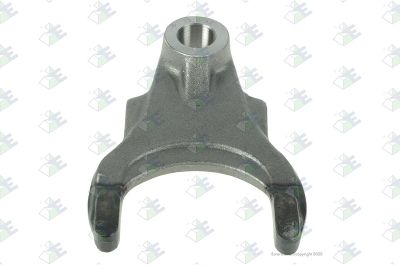 Availability: Request availabilityMB346.353.05.34€168.95
Guide price excl. VAT
Equivalenten:
DIF1677, 1677, MB346.353.02.34, 3463530234, A3463530234, MB346.353.05.34, 3463530534, A3463530534 - Second-Hand Recovered from used trucks, we offer these parts. They are still in top condition and can last a long time.
 Availability: Request availabilityMB355.353.02.80.OCC €1.40
Guide price excl. VAT
Equivalenten:
81.96601.0146, 81966010146, 81.96601-0146, MB355.353.02.80.OCC, 3553530280OCC, A3553530280OCC, MB355.353.02.80, 3553530280, A3553530280 - New Thanks to our product knowledge and built-up relationships with manufacturers worldwide, we found the most reliable alternatives. Best price-quality.
 Availability: Request availabilityMB355.353.12.36€477.39
Guide price excl. VAT
Equivalenten:
DIF1707, 1707, MB355.353.12.36, 3553531236, A3553531236 - Second-Hand Recovered from used trucks, we offer these parts. They are still in top condition and can last a long time.
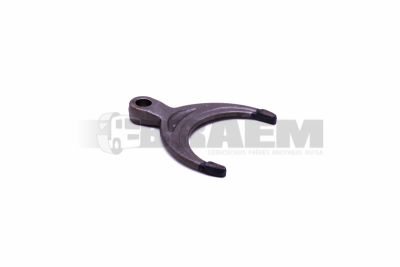 Availability: Request availabilityMB942.353.01.34.OCC €111.06
Guide price excl. VAT
Equivalenten:
MB942.353.01.34.OCC, 9423530134OCC, A9423530134OCC, MB942.353.01.34, 9423530134, A9423530134 - New Thanks to our product knowledge and built-up relationships with manufacturers worldwide, we found the most reliable alternatives. Best price-quality.
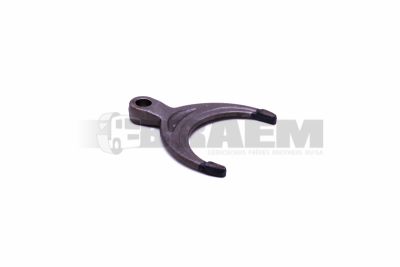 Availability: Request availabilityMB942.353.01.34/64€171.55
Guide price excl. VAT
Equivalenten:
MB942.353.01.34/64, 9423530134/64, A9423530134/64 - New Thanks to our product knowledge and built-up relationships with manufacturers worldwide, we found the most reliable alternatives. Best price-quality.
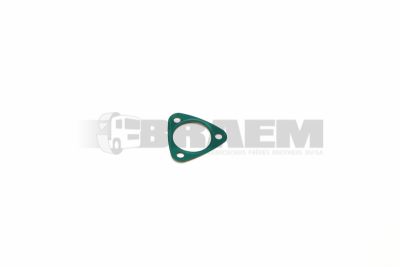 Availability: Request availabilityMB942.353.01.80€11.14
Guide price excl. VAT
Equivalenten:
ELR116.090, 116090, DIF1614, 1614, DIF1634, 1634, MB942.353.01.80, 9423530180, A9423530180 - New Thanks to our product knowledge and built-up relationships with manufacturers worldwide, we found the most reliable alternatives. Best price-quality.
 Availability: Request availabilityMB944.353.01.34€58.34
Guide price excl. VAT
Equivalenten:
81.35614.0015, 81356140015, 81.35614-0015, DIF1678, 1678, MB944.353.01.34.OCC, 9443530134OCC, A9443530134OCC, MB944.353.01.34, 9443530134, A9443530134 - Second-Hand Recovered from used trucks, we offer these parts. They are still in top condition and can last a long time.
 Availability: Request availabilityMB944.353.01.34.OCC €37.77
Guide price excl. VAT
Equivalenten:
MER944.353.01.34, 9443530134, A9443530134, MB944.353.01.34.OCC, 9443530134OCC, A9443530134OCC, MB944.353.01.34, 9443530134, A9443530134 - New Thanks to our product knowledge and built-up relationships with manufacturers worldwide, we found the most reliable alternatives. Best price-quality.
 Availability: Request availabilityMB944.353.01.36€339.65
Guide price excl. VAT
Equivalenten:
VSB1.352.0005, 13520005, MB944.353.01.36.OCC, 9443530136OCC, A9443530136OCC, MB944.353.01.36, 9443530136, A9443530136 - Second-Hand Recovered from used trucks, we offer these parts. They are still in top condition and can last a long time.
 Availability: Request availabilityMB944.353.01.36.OCC €206.20
Guide price excl. VAT
Equivalenten:
MB944.353.01.36.OCC, 9443530136OCC, A9443530136OCC, MB944.353.01.36, 9443530136, A9443530136 - New Thanks to our product knowledge and built-up relationships with manufacturers worldwide, we found the most reliable alternatives. Best price-quality.
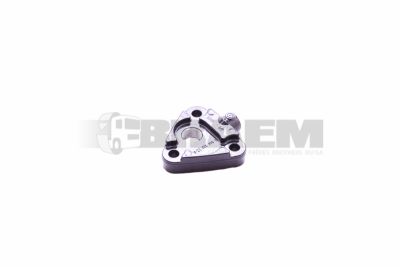 Availability: Request availabilityMB944.353.11.06€30.62
Guide price excl. VAT
Equivalenten:
81.35631.0019, 81356310019, 81.35631-0019, DIF1313, 1313, MB944.353.11.06.OCC, 9443531106OCC, A9443531106OCC, A9443531106, 9443531106, MB944.353.09.06, 9443530906 ... - Second-Hand Recovered from used trucks, we offer these parts. They are still in top condition and can last a long time.
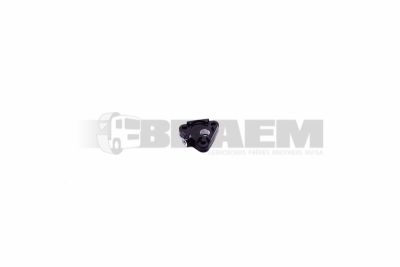 Availability: Request availabilityMB944.353.11.06.OCC €19.82
Guide price excl. VAT
Equivalenten:
81.35631.0019, 81356310019, 81.35631-0019, MER944.353.11.06, 9443531106, A9443531106, MER948.353.01.06, 9483530106, A9483530106, MER948.353.06.06, 9483530606, A9483530606 ... - Second-Hand Recovered from used trucks, we offer these parts. They are still in top condition and can last a long time.
 Availability: Request availabilityMB944.353.12.06.OCC €19.19
Guide price excl. VAT
Equivalenten:
MER944.353.09.06, 9443530906, A9443530906, MER944.353.12.06, 9443531206, A9443531206, MB944.353.12.06.OCC, 9443531206OCC, A9443531206OCC, MB944.353.12.06, 9443531206 ... - New Thanks to our product knowledge and built-up relationships with manufacturers worldwide, we found the most reliable alternatives. Best price-quality.
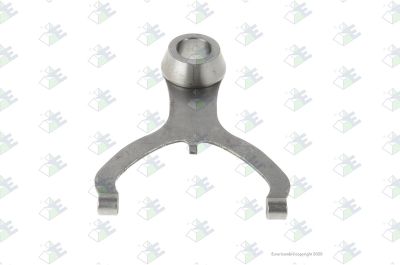 Availability: Request availabilityMB948.350.00.88€51.53
Guide price excl. VAT
Equivalenten:
DIF1643, 1643, MB948.350.00.88.OCC, 9483500088OCC, A9483500088OCC, MB948.350.00.88, 9483500088, A9483500088 - Second-Hand Recovered from used trucks, we offer these parts. They are still in top condition and can last a long time.
 Availability: Request availabilityMB948.350.00.88.OCC €31.28
Guide price excl. VAT
Equivalenten:
MER948.350.00.88, 9483500088, A9483500088, MB948.350.00.88.OCC, 9483500088OCC, A9483500088OCC, MB948.350.00.88, 9483500088, A9483500088 - New Thanks to our product knowledge and built-up relationships with manufacturers worldwide, we found the most reliable alternatives. Best price-quality.
 Availability: Request availabilityMB948.353.00.34€46.27
Guide price excl. VAT
Equivalenten:
DIF1684, 1684, MB948.353.00.34.OCC, 9483530034OCC, A9483530034OCC, MB948.353.00.34, 9483530034, A9483530034 - Second-Hand Recovered from used trucks, we offer these parts. They are still in top condition and can last a long time.
 Availability: Request availabilityMB948.353.00.34.OCC €28.09
Guide price excl. VAT
Equivalenten:
MB948.353.00.34.OCC, 9483530034OCC, A9483530034OCC, MB948.353.00.34, 9483530034, A9483530034 - New Thanks to our product knowledge and built-up relationships with manufacturers worldwide, we found the most reliable alternatives. Best price-quality.
 Availability: Request availabilityMB948.353.00.34/64€46.27
Guide price excl. VAT
Equivalenten:
MB948.353.00.34/64, 9483530034/64, A9483530034/64 - New Thanks to our product knowledge and built-up relationships with manufacturers worldwide, we found the most reliable alternatives. Best price-quality.
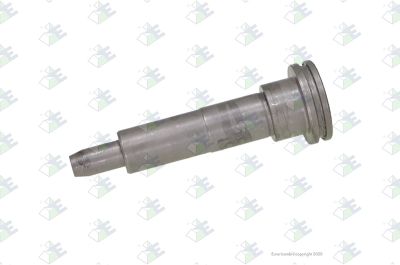 Availability: Request availabilityMB960.353.00.35€74.48
Guide price excl. VAT
Equivalenten:
DIF1694, 1694, MB960.353.00.35.OCC, 9603530035OCC, A9603530035OCC, MB960.353.00.35, 9603530035, A9603530035 - New Thanks to our product knowledge and built-up relationships with manufacturers worldwide, we found the most reliable alternatives. Best price-quality.
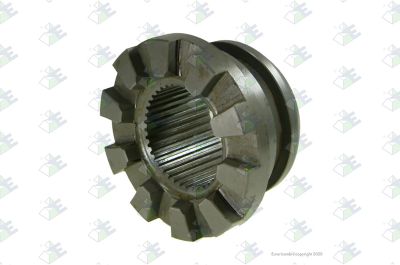 Availability: Request availabilityMB960.353.00.36€272.45
Guide price excl. VAT
Equivalenten:
DIF1685, 1685, MB960.353.00.36.OCC, 9603530036OCC, A9603530036OCC, MB948.353.00.36, 9483530036, A9483530036, MB948.353.01.36, 9483530136, A9483530136, MB960.353.00.36 ... - Second-Hand Recovered from used trucks, we offer these parts. They are still in top condition and can last a long time.
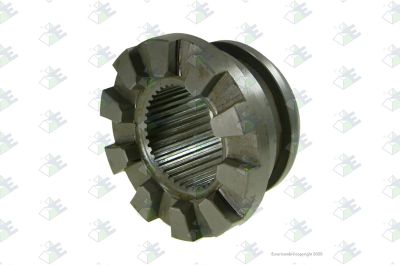 Availability: Request availabilityMB960.353.00.36.OCC €165.41
Guide price excl. VAT
Equivalenten:
MER948.353.00.36, 9483530036, A9483530036, MER948.353.01.36, 9483530136, A9483530136, MER960.353.00.36, 9603530036, A9603530036, MB960.353.00.36.OCC, 9603530036OCC ... - Second-Hand Recovered from used trucks, we offer these parts. They are still in top condition and can last a long time.
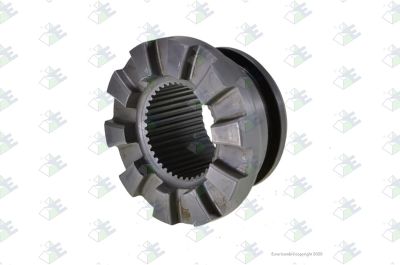 Availability: Request availabilityMB960.353.01.36.OCC €165.41
Guide price excl. VAT
Equivalenten:
MB960.353.01.36.OCC, 9603530136OCC, A9603530136OCC, MB960.353.01.36, 9603530136, A9603530136
A differential lock temporarily prevents differential action, so that a wheel with little grip no longer limits the available tractive force. A cross-axle differential lock couples the drive to both wheels on the same axle; an inter-axle differential lock locks the differential between driven axles. For MAN and Mercedes trucks, buses and vans, the design depends on the axle type, drivetrain configuration and factory-fitted equipment. Correct diagnosis distinguishes mechanical wear from faults in actuation or position feedback.
Always identify parts using the vehicle's chassis number, and also check the axle identification and part numbers. Visual comparison or selection based solely on the model name is never sufficient. On MAN TGS and Mercedes Arocs vehicles, for example, locking mechanisms vary according to axle load, single reduction or hub reduction, and drivetrain configuration. On buses and vans, first establish whether a mechanical lock is actually fitted: electronic traction control that applies the brakes is not a mechanical differential lock.
Selectable dog-clutch differential locks generally use a locking sleeve, dog teeth and a selector fork, operated by a pneumatic cylinder or another actuator specific to the design. Clutch-type and geared limited-slip differentials are different designs and require their own parts and lubricant specifications. Relevant parameters include tooth geometry, spline fit, axial travel, engagement depth and specified operating pressure. Hardened steel coupling surfaces must withstand high contact loads. Fit, hardening and seal material are therefore not arbitrarily interchangeable. Even vehicles with the same engine family may have different axle variants fitted; the engine type does not determine the choice of parts.
Failure to engage, delayed engagement, rattling under load or failure to disengage are typical complaints. Rounded dog teeth can result from engagement during wheelspin or incomplete engagement. Air leaks, corrosion on the selector rod, a damaged return spring or a worn selector fork can cause similar symptoms. An illuminated differential lock indicator alone does not prove that the dog teeth are fully engaged.
- Identify and secure: consult the axle diagram and read out any available fault codes and current engagement statuses. Secure the vehicle and support raised axles in accordance with the workshop instructions. Never work underneath a vehicle supported only by a jack.
- Check the actuation system: use a pressure gauge to measure the pressure at the differential lock cylinder during actuation and while holding it engaged. Compare it with the manufacturer's specification; air reservoir pressure does not prove that sufficient pressure reaches the actuator. Check lines, fittings and cylinder seals with leak detection fluid.
- Test the electrical circuit: check the supply voltage and voltage drop under load at the electropneumatic control valve. Test the wiring and position switch according to the wiring diagram; check the engagement conditions before treating a missing control signal as a fault.
- Assess the mechanical components: depressurise the system before dismantling. Measure actuator travel and axial clearance with a dial indicator using the specified method. Inspect the locking sleeve, selector fork and mating teeth for burrs, cracks and rounded engagement surfaces.
Do not replace only the locking sleeve if the mating teeth are also damaged. If damage recurs, pay particular attention to the full engagement travel and operating pressure. Use the specified seals, locking devices and tightening torques. Check the differential oil and magnetic plug for metal particles; remove contamination according to the overhaul procedure. If differential bearings or adjustment components are removed, bearing preload, backlash and tooth contact pattern must be checked again against the axle specification.
After assembly, test engagement, position feedback and full disengagement under controlled conditions. Engage the lock only in accordance with the vehicle instructions and never while the wheels are spinning. Do not use the lock on a high-grip road surface when rotational speed differences are required: driveline wind-up can overload axle shafts and gear teeth. Braem can provide technical support with parts identification based on the chassis number and axle details.