 English
 Nederlands
 Français
 Deutsch
 Español
 Polski
 Русский
 العربية
 Română
Call us on +32 (0) 51 57 58 58 or contact us.
Ad-blue accessories
- Nearly New Barely used and therefore a great opportunity! Buy these parts as if they were new, at advantageous prices.
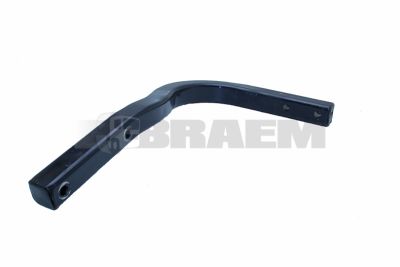 Availability: Immediately available81.15511.5094.NNP
 €117.60
Guide price excl. VAT
Equivalenten:
81.15511.5094, 81155115094, 81.15511-5094, 81.15511.5094.NNP, 81155115094NNP, 81.15511-5094.NNP - Second-Hand Recovered from used trucks, we offer these parts. They are still in top condition and can last a long time.
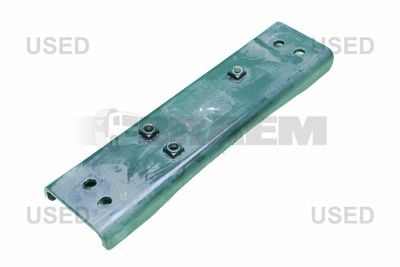 Availability: Immediately available81.15511.5154.OCC €52.80
Guide price excl. VAT
Equivalenten:
81.15511.5154, 81155115154, 81.15511-5154, 81.15511.5154.OCC, 81155115154OCC, 81.15511-5154.OCC - Nearly New Barely used and therefore a great opportunity! Buy these parts as if they were new, at advantageous prices.
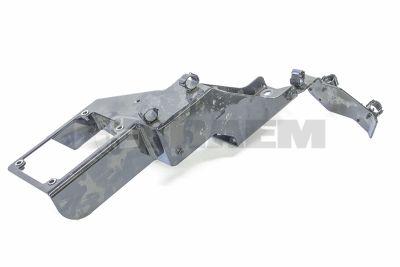 Availability: Immediately available81.15511.5156.NNP €294.00
Guide price excl. VAT
Equivalenten:
81.15511.5156, 81155115156, 81.15511-5156, 81.15511.5156.NNP, 81155115156NNP, 81.15511-5156.NNP, 81.15511.5156.OCC, 81155115156OCC, 81.15511-5156.OCC - Second-Hand Recovered from used trucks, we offer these parts. They are still in top condition and can last a long time.
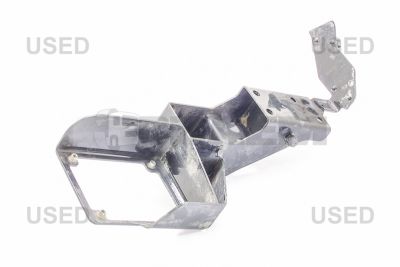 Availability: Immediately available81.15511.5156.OCC €252.00
Guide price excl. VAT
Equivalenten:
81.15511.5156, 81155115156, 81.15511-5156, 81.15511.5156.NNP, 81155115156NNP, 81.15511-5156.NNP, 81.15511.5156.OCC, 81155115156OCC, 81.15511-5156.OCC - Second-Hand Recovered from used trucks, we offer these parts. They are still in top condition and can last a long time.
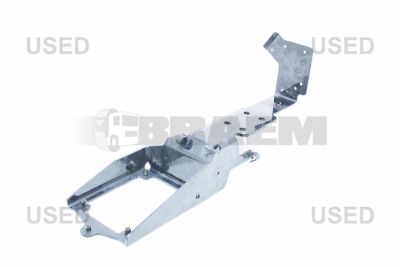 Availability: Immediately available81.15511.5165.OCC €132.60
Guide price excl. VAT
Equivalenten:
81.15511.5119, 81155115119, 81.15511-5119, 81.15511.5165, 81155115165, 81.15511-5165, 81.15511.5165.OCC, 81155115165OCC, 81.15511-5165.OCC - Second-Hand Recovered from used trucks, we offer these parts. They are still in top condition and can last a long time.
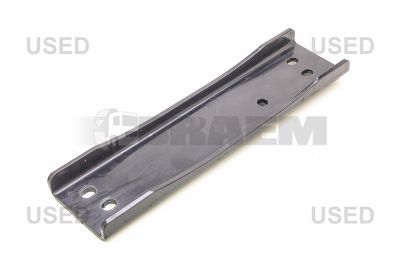 Availability: Immediately available81.15511.5176.OCC €52.50
Guide price excl. VAT
Equivalenten:
81.15511.5176, 81155115176, 81.15511-5176, 81.15511.5176.OCC, 81155115176OCC, 81.15511-5176.OCC - Second-Hand Recovered from used trucks, we offer these parts. They are still in top condition and can last a long time.
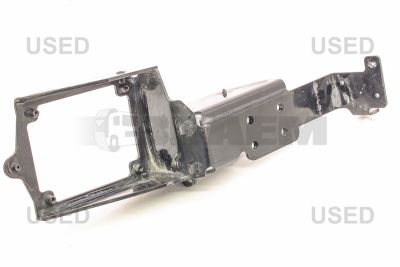 Availability: Immediately available81.15511.5191.OCC €274.50
Guide price excl. VAT
Equivalenten:
81.15511.5191, 81155115191, 81.15511-5191, 81.15511.5191.OCC, 81155115191OCC, 81.15511-5191.OCC - Nearly New Barely used and therefore a great opportunity! Buy these parts as if they were new, at advantageous prices.
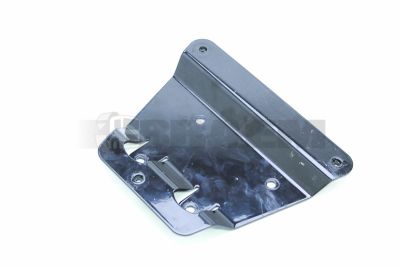 Availability: Immediately available81.15511.5200.NNP €36.05
Guide price excl. VAT
Equivalenten:
81.15511.5200, 81155115200, 81.15511-5200, 81.15511.5200.NNP, 81155115200NNP, 81.15511-5200.NNP - New Thanks to our product knowledge and built-up relationships with manufacturers worldwide, we found the most reliable alternatives. Best price-quality.
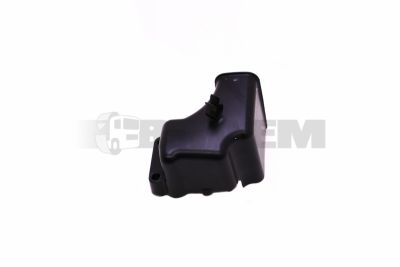 Availability: Immediately available85.15511.0005€12.78
Guide price excl. VAT
Equivalenten:
85.15511.0005, 85155110005, 85.15511-0005, 85155110005, 85155110005 - New Thanks to our product knowledge and built-up relationships with manufacturers worldwide, we found the most reliable alternatives. Best price-quality.
 Availability: Immediately availableBOS0444.033.006
 €336.23
Guide price excl. VAT
Equivalenten:
51.15422.7000, 51154227000, 51.15422-7000, 0 444 033 006, 0444033006, 0444033006, 0444033006, BOS0444.033.006, 0444033006, BOS0444.033.006.NNP, 0444033006NNP - Nearly New Barely used and therefore a great opportunity! Buy these parts as if they were new, at advantageous prices.
 Availability: Immediately availableBOS0444.033.006.NNP €276.89
Guide price excl. VAT
Equivalenten:
BOS0444.033.006, 0444033006, BOS0444.033.006.NNP, 0444033006NNP - New Thanks to our product knowledge and built-up relationships with manufacturers worldwide, we found the most reliable alternatives. Best price-quality.
 Availability: Immediately availableBOSF00B.H40.025 €32.52
Guide price excl. VAT
Equivalenten:
81.15403.6094, 81154036094, 81.15403-6094, BOSF00B.H40.025, F00BH40025, F 00B H40 025, 00BH40025, F00BH40025, 00BH40025 - New Thanks to our product knowledge and built-up relationships with manufacturers worldwide, we found the most reliable alternatives. Best price-quality.
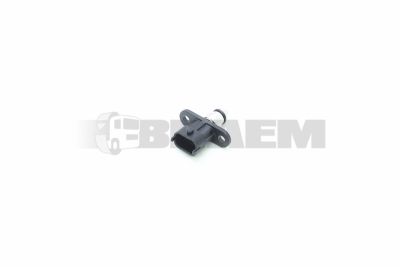 Availability: Immediately availableBOSF00B.H40.208 €52.29
Guide price excl. VAT
Equivalenten:
BOSF00B.H40.208, F00BH40208, F 00B H40 208, 00BH40208, F00BH40208, 00BH40208, F00BH40208, 00BH40208 - New Thanks to our product knowledge and built-up relationships with manufacturers worldwide, we found the most reliable alternatives. Best price-quality.
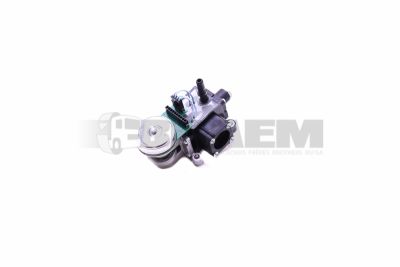 Availability: Immediately availableBOSF00B.H40.279 €473.85
Guide price excl. VAT
Equivalenten:
81.15403.6101, 81154036101, 81.15403-6101, BOSF00B.H40.279, F00BH40279, F 00B H40 279, 00BH40279, F00BH40279, 00BH40279, BOSF00B.H40.279.OCC, F00BH40279OCC - New Thanks to our product knowledge and built-up relationships with manufacturers worldwide, we found the most reliable alternatives. Best price-quality.
 Availability: Immediately availableBOSF00B.H40.280 €284.15
Guide price excl. VAT
Equivalenten:
81.15403.0001, 81154030001, 81.15403-0001, BOSF00B.H40.280, F00BH40280, F 00B H40 280, 00BH40280, F00BH40280, 00BH40280 - New Thanks to our product knowledge and built-up relationships with manufacturers worldwide, we found the most reliable alternatives. Best price-quality.
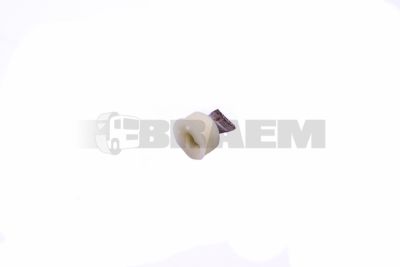 Availability: Immediately availableBOSF00B.H60.158 €7.41
Guide price excl. VAT
Equivalenten:
81.15403.0003, 81154030003, 81.15403-0003, BOSF00B.H60.158, F00BH60158, F 00B H60 158, 00BH60158, F00BH60158, 00BH60158 - New Thanks to our product knowledge and built-up relationships with manufacturers worldwide, we found the most reliable alternatives. Best price-quality.
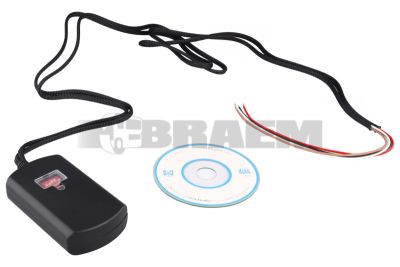 Availability: Immediately availableELE0.0219 €292.31
Guide price excl. VAT
Equivalenten:
ELE0.0199, 00199, ELE0.0219, 00219, ELE0.0220, 00220, ELE0.0221, 00221, OAD-9IN1, 9IN1 - New Thanks to our product knowledge and built-up relationships with manufacturers worldwide, we found the most reliable alternatives. Best price-quality.
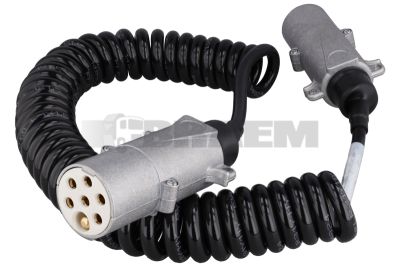 Availability: Immediately availableELE0.0226 €74.22
Guide price excl. VAT
Equivalenten:
ELE0.0226, 00226 - New Thanks to our product knowledge and built-up relationships with manufacturers worldwide, we found the most reliable alternatives. Best price-quality.
 Availability: Immediately availableFIL6037 €7.11
Guide price excl. VAT
Equivalenten:
DT4.72835, 472835, FEB183258, 183258, FIL6037, 6037, MB000.140.05.94, 0001400594, A0001400594 - New Thanks to our product knowledge and built-up relationships with manufacturers worldwide, we found the most reliable alternatives. Best price-quality.
 Availability: Immediately availableFIL8000 €34.69
Guide price excl. VAT
Equivalenten:
MANU58/1KIT, U58/1KIT, U58/1KIT, HENE102U01D179, E102U01D179, DT4.63628, 463628, FEB45595, 45595, FEB45595, 45595, FIL8000, 8000, MB000.142.02.89, 0001420289, A0001420289 ... - New Thanks to our product knowledge and built-up relationships with manufacturers worldwide, we found the most reliable alternatives. Best price-quality.
 Availability: Immediately availableFIL8003 €69.62
Guide price excl. VAT
Equivalenten:
51.15403.6016, 51154036016, 51.15403-6016, 51.15403.6017, 51154036017, 51.15403-6017, 51.15403.6023, 51154036023, 51.15403-6023, MANU58/11KIT, U58/11KIT, U58/11KIT ... - New Thanks to our product knowledge and built-up relationships with manufacturers worldwide, we found the most reliable alternatives. Best price-quality.
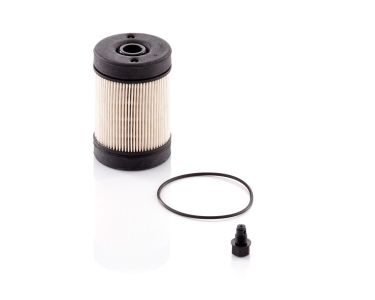 Availability: Immediately availableMANU630XKIT
 €46.47
Guide price excl. VAT
Equivalenten:
MANU630XKIT, U630XKIT, U630XKIT, U 630 X KIT, 630XKIT, U630XKIT, 630XKIT, U630XKIT, 630XKIT, HENE100UD160, E100UD160 - New Thanks to our product knowledge and built-up relationships with manufacturers worldwide, we found the most reliable alternatives. Best price-quality.
 Availability: Immediately availableMB000.140.05.94€8.20
Guide price excl. VAT
Equivalenten:
FIL6037, 6037, A0001400594, 0001400594, MB000.140.05.94, 0001400594, A0001400594 - New Thanks to our product knowledge and built-up relationships with manufacturers worldwide, we found the most reliable alternatives. Best price-quality.
 Availability: Immediately availableMB000.140.06.94€5.24
Guide price excl. VAT
Equivalenten:
MB000.140.06.94, 0001400694, A0001400694
AdBlue accessories ensure leak-free connections, reliable electrical connections and secure mounting of the dosing system. These include sealing rings, quick-release couplings, pipe clips, tank caps, filter seals and repair connectors. A damaged retainer or leaking connection can disrupt pressure build-up and cause emissions faults, even when the AdBlue pump itself is still working properly. Always check the associated components before replacing complete modules.
Always identify parts using the vehicle’s chassis number. Visual comparison or selection by model name alone is never sufficient. Also check the original part number, emissions specification and any superseding part numbers. On MAN TGS and TGX with D20 or D26 engines and Mercedes Actros with OM 471, connections and heating configurations may differ between system generations. The specific installation must also be identified for MAN Lion’s City, Mercedes Citaro, MAN TGE and Mercedes Sprinter.
Distinguish between accessories for suction, pressure and return lines, electrically heated connections and tank venting. Not every installation uses the same line configuration. Relevant design parameters include line diameter, insertion depth, retaining geometry, sealing ring groove dimensions, temperature range and permissible operating pressure. Use the fit tolerances and pressure values specified in the vehicle-specific documentation; there is no universal AdBlue system pressure.
Parts that come into contact with the fluid must be resistant to a 32.5% urea solution by mass. Depending on the specification, suitable materials include certain plastics, stainless steel and EPDM (ethylene propylene diene monomer). A generic fuel-resistant sealing ring is not an equivalent alternative. Avoid unapproved metals and assembly pastes that could contaminate the fluid.
The AdBlue filter traps solid contaminants and protects downstream components in the fluid circuit against contamination and blockages. Depending on the installation, the filter is located at the suction inlet, in the supply module or elsewhere in the line circuit. A blocked filter can restrict the fluid supply and disrupt pressure build-up or dosing. Check the specified replacement interval and use a filter with the correct dimensions and filtration specification. During servicing, also replace the specified seals and, if there is heavy contamination, inspect the condition of the tank and fluid. An AdBlue filter does not remove dissolved contaminants or correct an incorrect urea concentration.
The AdBlue mixing pipe forms part of the exhaust system at the AdBlue injection point, upstream of the SCR catalytic converter. It provides space for the injected fluid to evaporate and convert and, together with any mixing elements, promotes an even distribution of ammonia in the exhaust gas flow. This distribution is important for effective conversion of nitrogen oxides in the SCR catalytic converter. Deposits, damaged mixing elements or leaking connections can impair operation. If deposits recur, also check the dosing injector’s spray pattern, the dosing quantity and the exhaust gas temperature; replacing the mixing pipe alone does not always eliminate the cause. During installation, observe the specified position, seals and mounting requirements.
The AdBlue float in the AdBlue tank detects the fluid level. The level signal is used for the level display and low-AdBlue warnings. The term AdBlue float is also used for a complete tank sender unit or tank module, which does not use a mechanical float to measure the level in every version. Depending on the system generation, this module may combine several functions: level measurement, fluid temperature measurement, heating around the suction inlet and connections for suction and, where applicable, return flow. Some versions also include a quality sensor that can detect deviations in the AdBlue concentration. These functions are part of the module and are not performed by the float element itself.
Temperature measurement supports the monitoring and control of thawing, while the integrated heater helps make frozen AdBlue around the suction inlet available again. Depending on the installation, this heater may operate electrically or use engine coolant. If the level display or temperature reading is incorrect, first check the live readings, wiring and plug connections. When replacing the unit, check the installation depth, tank version, connections and fitted sensor and heating functions. Not every AdBlue float has all the functions mentioned, and not every part of the module can be replaced separately.
White deposits around couplings often indicate dried leakage, but can also result from spilled fluid. Recurring pressure faults call for checks of seals, line retainers and blockages. Chafed wires and corroded connector contacts can interrupt line heating. AdBlue freezes at around -11 °C, so insufficient thawing can cause problems, particularly after a cold start.
- Read out the fault codes and associated operating data. Compare the requested and measured dosing pressure, fluid temperature and heater control. A pressure fault alone does not prove that the pump is defective.
- Allow hot exhaust components to cool and follow the specified shutdown and pressure relief procedure. Check couplings, seal seats, clips and cable grommets for cracks, chafing and loose retainers.
- Use diagnostic equipment to carry out the pressure build-up and pressure retention tests. If specified, use an AdBlue-resistant pressure gauge with a suitable adapter. Assess pressure behaviour and pressure loss according to the manufacturer’s test conditions.
- For heating faults, measure the supply voltage under load and the voltage drop across connections. Check the resistance of disconnected heating elements at the specified temperature; a continuity check alone is insufficient.
- If fluid contamination is suspected, check the urea concentration with a calibrated AdBlue refractometer. A correct concentration does not rule out contamination with fuel or minerals.
Clean external crystal deposits according to the workshop instructions and prevent dirt from entering open connections. Replace damaged couplings, loose or distorted clips and seals specified for single use. Use only approved assembly aids; universal sealants can block small dosing passages.
Install lines without strain, observe the minimum bend radius and replace any missing heat protection. Check quick-release couplings using the specified pull test. Then carry out the bleeding, filling or initialisation procedure if required. Finish with a leak check, actuator test and check for current fault codes. This prevents an inexpensive retainer or seal from causing costly downtime again.