 English
 Nederlands
 Français
 Deutsch
 Español
 Polski
 Русский
 العربية
 Română
Call us on +32 (0) 51 57 58 58 or contact us.
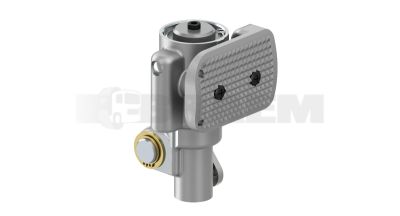
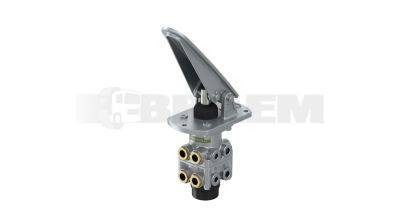
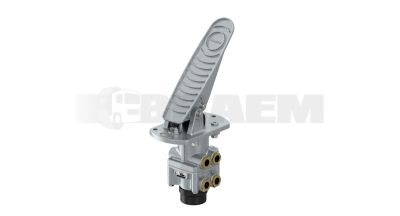
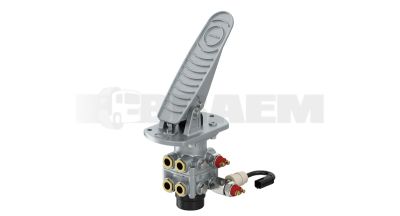
Foot brake valve
- New Thanks to our product knowledge and built-up relationships with manufacturers worldwide, we found the most reliable alternatives. Best price-quality.
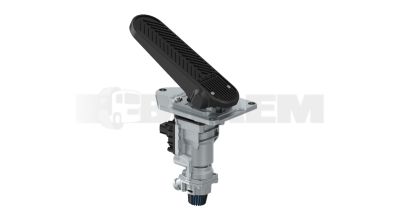 Availability: Request availabilityWES480.002.122.0
 €1,218.90
Guide price excl. VAT
Equivalenten:
4800021220, 4800021220, WES480.002.122.0, 4800021220 - New Thanks to our product knowledge and built-up relationships with manufacturers worldwide, we found the most reliable alternatives. Best price-quality.
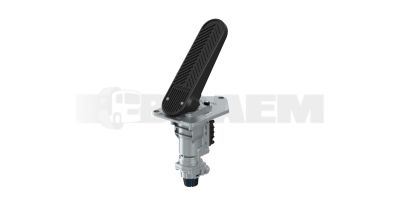 Availability: Request availabilityWES480.002.123.0 €986.85
Guide price excl. VAT
Equivalenten:
4800021230, 4800021230, 4800021230, 4800021230, WES480.002.123.0, 4800021230 - New Thanks to our product knowledge and built-up relationships with manufacturers worldwide, we found the most reliable alternatives. Best price-quality.
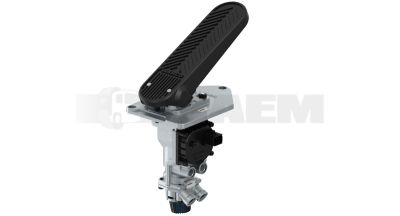 Availability: Request availabilityWES480.002.131.0 €803.25
Guide price excl. VAT
Equivalenten:
WES480.002.131.0, 4800021310, MB004.431.50.06, 0044315006, A0044315006 - New Thanks to our product knowledge and built-up relationships with manufacturers worldwide, we found the most reliable alternatives. Best price-quality.
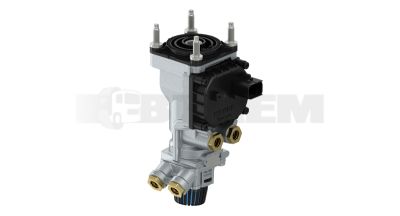 Availability: Request availabilityWES480.003.052.0 €578.85
Guide price excl. VAT
Equivalenten:
WES480.003.052.0, 4800030520 - New Thanks to our product knowledge and built-up relationships with manufacturers worldwide, we found the most reliable alternatives. Best price-quality.
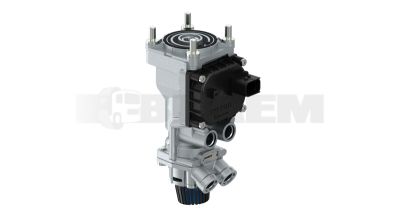 Availability: Request availabilityWES480.003.053.0 €604.35
Guide price excl. VAT
Equivalenten:
4800030530, 4800030530, WES480.003.053.0, 4800030530 - New Thanks to our product knowledge and built-up relationships with manufacturers worldwide, we found the most reliable alternatives. Best price-quality.
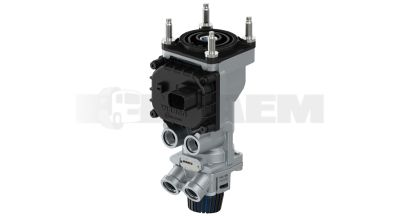 Availability: Request availabilityWES480.003.061.0 €804.95
Guide price excl. VAT
Equivalenten:
4800030610, 4800030610, WES480.003.061.0, 4800030610 - New Thanks to our product knowledge and built-up relationships with manufacturers worldwide, we found the most reliable alternatives. Best price-quality.
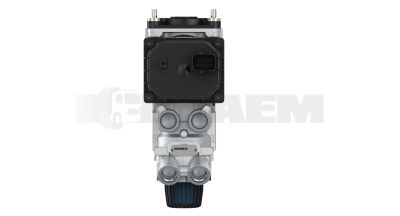 Availability: Request availabilityWES480.003.062.0 €420.75
Guide price excl. VAT
Equivalenten:
WES480.003.062.0, 4800030620 - New Thanks to our product knowledge and built-up relationships with manufacturers worldwide, we found the most reliable alternatives. Best price-quality.
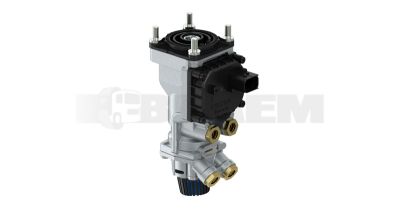 Availability: Request availabilityWES480.003.064.0 €372.30
Guide price excl. VAT
Equivalenten:
4800030640, 4800030640, 4800030640, 4800030640, WES480.003.064.0, 4800030640 - New Thanks to our product knowledge and built-up relationships with manufacturers worldwide, we found the most reliable alternatives. Best price-quality.
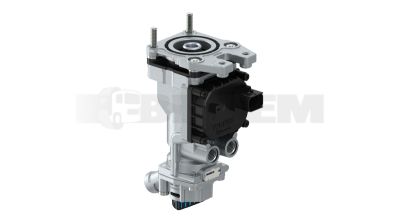 Availability: Request availabilityWES480.003.067.0 €571.20
Guide price excl. VAT
Equivalenten:
480 003 067 0, 4800030670, 4800030670, 4800030670, WES480.003.067.0, 4800030670 - New Thanks to our product knowledge and built-up relationships with manufacturers worldwide, we found the most reliable alternatives. Best price-quality.
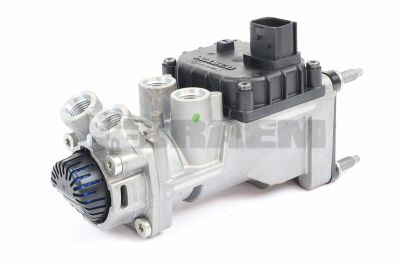 Availability: Request availabilityWES480.003.100.0 €480.25
Guide price excl. VAT
Equivalenten:
WES480.003.100.0, 4800031000, MB004.431.34.06, 0044313406, A0044313406, MB004.431.48.06, 0044314806, A0044314806 - New Thanks to our product knowledge and built-up relationships with manufacturers worldwide, we found the most reliable alternatives. Best price-quality.
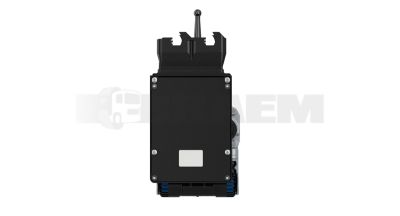 Availability: Request availabilityWES480.020.020.0 €2,682.60
Guide price excl. VAT
Equivalenten:
81.25808.7039, 81258087039, 81.25808-7039, 81.25808.7045, 81258087045, 81.25808-7045, 81.52130.6283, 81521306283, 81.52130-6283, 81.52130.6285, 81521306285, 81.52130-6285 ... - Nearly New Barely used and therefore a great opportunity! Buy these parts as if they were new, at advantageous prices.
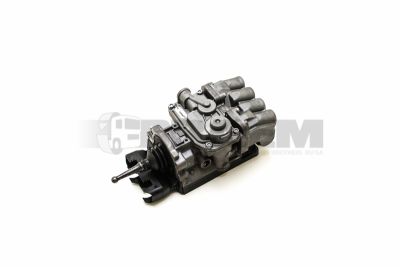 Availability: Request availabilityWES480.020.028.0.NNP
 €2,250.50
Guide price excl. VAT
Equivalenten:
WES480.020.028.0.NNP, 4800200280NNP - New Thanks to our product knowledge and built-up relationships with manufacturers worldwide, we found the most reliable alternatives. Best price-quality.
 Availability: Request availabilityWES961.106.000.0 €1,364.25
Guide price excl. VAT
Equivalenten:
9611060000, 9611060000, WES961.106.000.0, 9611060000 - New Thanks to our product knowledge and built-up relationships with manufacturers worldwide, we found the most reliable alternatives. Best price-quality.
 Availability: Request availabilityWES961.899.030.0 €98.60
Guide price excl. VAT
Equivalenten:
WES961.899.030.0, 9618990300 - New Thanks to our product knowledge and built-up relationships with manufacturers worldwide, we found the most reliable alternatives. Best price-quality.
 Availability: Request availabilityWES961.899.031.0 €90.95
Guide price excl. VAT
Equivalenten:
WES961.899.031.0, 9618990310 - New Thanks to our product knowledge and built-up relationships with manufacturers worldwide, we found the most reliable alternatives. Best price-quality.
 Availability: Request availabilityWES961.899.036.0 €112.20
Guide price excl. VAT
Equivalenten:
WES961.899.036.0, 9618990360 - New Thanks to our product knowledge and built-up relationships with manufacturers worldwide, we found the most reliable alternatives. Best price-quality.
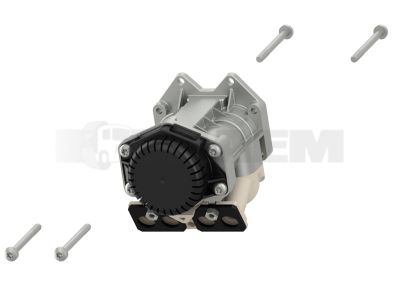 Availability: Request availabilityWES965.001.002.2 €464.95
Guide price excl. VAT
Equivalenten:
965 001 002 2, 9650010022, 9650010022, 9650010022, WES965.001.002.2, 9650010022 - New Thanks to our product knowledge and built-up relationships with manufacturers worldwide, we found the most reliable alternatives. Best price-quality.
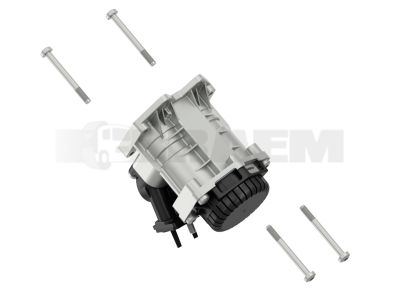 Availability: Request availabilityWES965.001.010.2 €330.65
Guide price excl. VAT
Equivalenten:
9650010102, 9650010102, 9650010102, 9650010102, WES965.001.010.2, 9650010102 - New Thanks to our product knowledge and built-up relationships with manufacturers worldwide, we found the most reliable alternatives. Best price-quality.
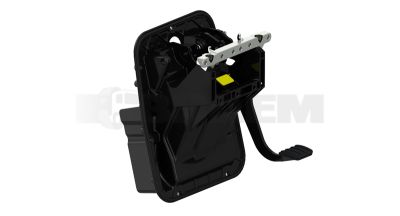 Availability: Request availabilityWES965.001.240.0 €2,098.65
Guide price excl. VAT
Equivalenten:
WES965.001.240.0, 9650012400, IVE5802481045, 5802481045 - New Thanks to our product knowledge and built-up relationships with manufacturers worldwide, we found the most reliable alternatives. Best price-quality.
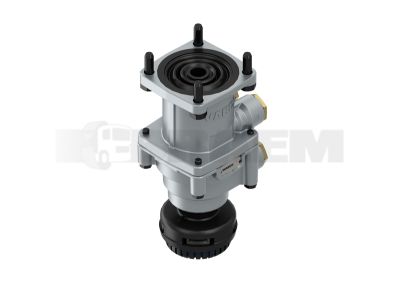 Availability: Request availabilityWES965.001.938.2 €262.65
Guide price excl. VAT
Equivalenten:
WES965.001.938.2, 9650019382 - New Thanks to our product knowledge and built-up relationships with manufacturers worldwide, we found the most reliable alternatives. Best price-quality.
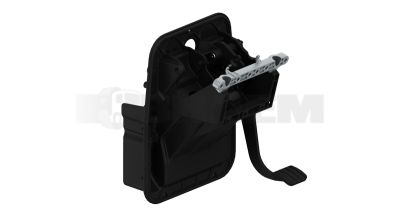 Availability: Request availabilityWES965.001.957.0 €3,271.65
Guide price excl. VAT
Equivalenten:
WES965.001.957.0, 9650019570, IVE5801998627, 5801998627 - New Thanks to our product knowledge and built-up relationships with manufacturers worldwide, we found the most reliable alternatives. Best price-quality.
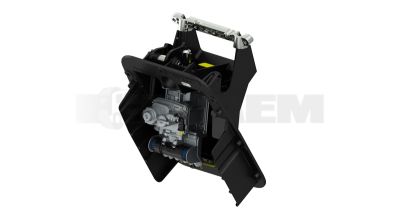 Availability: Request availabilityWES965.001.958.0 €3,269.95
Guide price excl. VAT
Equivalenten:
WES965.001.958.0, 9650019580, IVE5801998631, 5801998631 - New Thanks to our product knowledge and built-up relationships with manufacturers worldwide, we found the most reliable alternatives. Best price-quality.
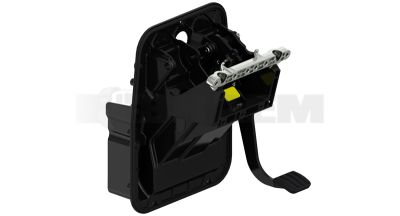 Availability: Request availabilityWES965.001.967.0 €3,285.25
Guide price excl. VAT
Equivalenten:
WES965.001.967.0, 9650019670, IVE5802300884, 5802300884 - New Thanks to our product knowledge and built-up relationships with manufacturers worldwide, we found the most reliable alternatives. Best price-quality.
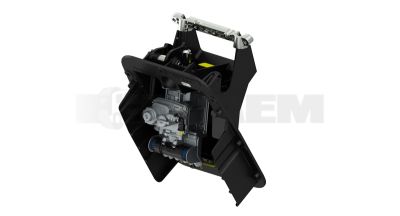 Availability: Request availabilityWES965.001.968.0 €3,269.95
Guide price excl. VAT
Equivalenten:
WES965.001.968.0, 9650019680, IVE5802300886, 5802300886
A foot brake valve meters compressed air from the air reservoirs to the service brake circuits in pneumatically braked MAN and Mercedes trucks, buses and coaches. The valve stroke translates the driver's pedal force into proportional control pressure for brake chambers, relay valves and EBS (Electronic Braking System) modules. The component is safety-critical: internal leakage, delayed pressure build-up or incorrect circuit distribution directly affects brake response, stability and statutory braking performance. In hydraulically braked vans, such as certain Mercedes Sprinter, Vito and V-Class versions, brake pressure is generally generated by a brake master cylinder; a pneumatic foot brake valve is therefore not automatically applicable.
Foot brake valves are fitted to MAN TGL, TGM, TGA, TGS, TGX and TG3 models, as well as older F90, F2000, M2000 and L2000 series. Within Mercedes, this includes LN, SK, Atego, Axor, Actros, Arocs, Antos and Econic, plus Citaro, Intouro and Tourismo buses. MAN Lion’s City, Lion’s Coach and Intercity buses, as well as Neoplan Cityliner, Tourliner or Skyliner coaches, may also be equipped with specific versions.
Single- and dual-circuit foot brake valves are available. The most common dual-circuit version controls separate front and rear axle brake circuits and may additionally provide control pressure for trailer control. Connections vary in thread type, pipe diameter, port configuration, exhaust configuration and nominal operating pressure. In heavy commercial vehicles, system pressure is generally around 8 to 12 bar, but the required control pressure curve must correspond exactly to the vehicle configuration and the EBS or ABS (Anti-lock Braking System) architecture used.
Always identify the correct foot brake valve using the vehicle chassis number. Visual comparison, selection based solely on the model name or matching air connections is never sufficient. Also check the part number, port markings, the version with or without an electrical brake light switch, and the specific pipe routing.
A hard, spongy or inconsistent brake pedal, slow brake release, insufficient brake pressure or continuous air loss through the exhaust port are classic indications of a fault. Internal leakage is often caused by worn NBR (nitrile butadiene rubber) seals, worn valve seats, corrosion on the plunger or contamination from condensate water and compressor oil. Vehicles with inadequately maintained air dryers are particularly at risk of sticking control pistons and damaged sealing surfaces.
First check whether the air reservoirs build up to full pressure and whether the supply pressure remains stable. Then connect calibrated pressure gauges to the supply and delivery ports of both brake circuits. When the pedal is depressed slowly, the control pressure must rise evenly and proportionally; a clear pressure difference between the circuits, pressure loss while holding the pedal position or delayed venting indicates an internal problem. With the pedal released, listen for leakage at the vent port and locate external leaks using leak detection spray on couplings and pipe unions.
On vehicles with EBS, read out the fault codes and compare the measured pneumatic values with the brake demand recorded by the ECU (Electronic Control Unit). First rule out faults in relay valves, pressure sensors, brake chambers or kinked compressed air lines: these can cause similar symptoms without the pedal valve itself being defective.
Replace a foot brake valve when pressure control falls outside specification, the housing is damaged or internal leakage demonstrably persists after external components have been ruled out. Before removal, depressurise all air reservoirs, mark every compressed air line by port and prevent dirt from entering open connections. Use only pipe seals suitable for compressed air brake circuits; excessive sealant can block control passages.
After installation, test both circuits for pressure build-up, pressure retention and complete venting. Then perform a brake test and, where required, an EBS check. Replacing a leaking valve in time reduces air compressor load, prevents insufficient braking force and helps minimise unplanned downtime. Braem can provide technical support with chassis number identification.