 English
 Nederlands
 Français
 Deutsch
 Español
 Polski
 Русский
 العربية
 Română
Call us on +32 (0) 51 57 58 58 or contact us.
Brake system for MAN / Mercedes trucks, buses and vans

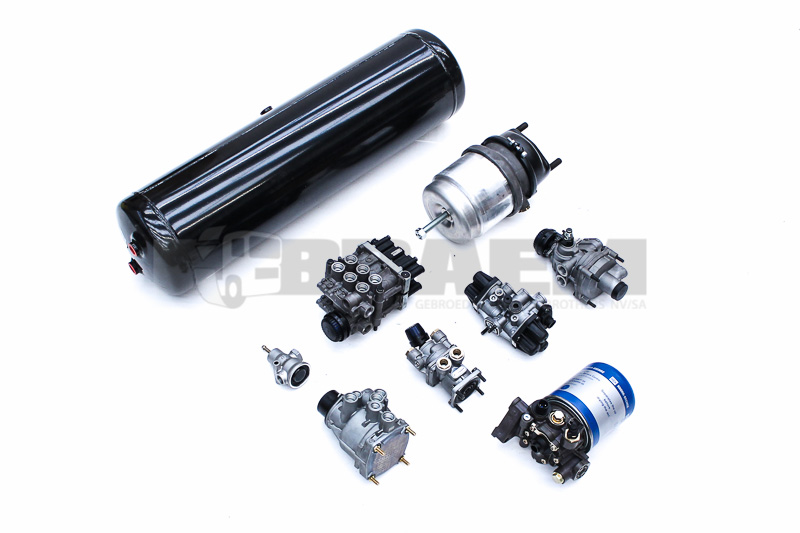
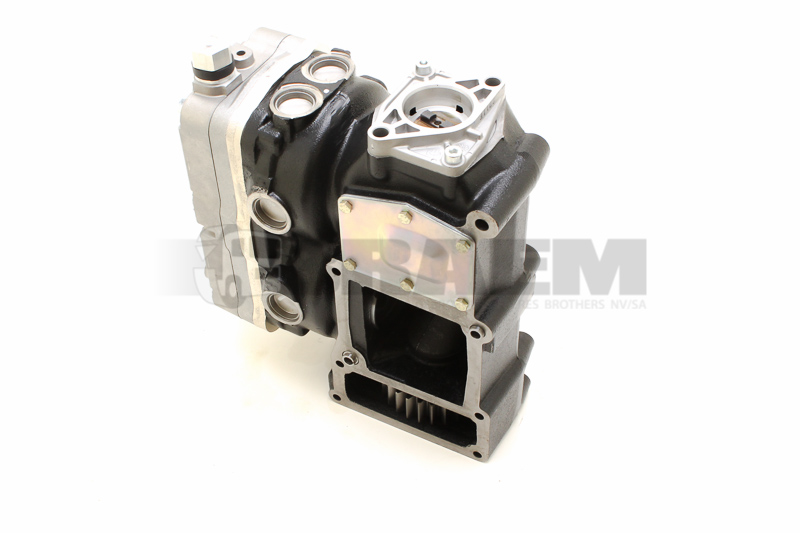
The braking system is without a doubt one of the most critical safety systems on any MAN or Mercedes truck, coach or van. Every day, brake components are heavily loaded due to high vehicle weights, varying loads, long descents and intensive stop-and-go traffic. A reliable and correct functioning braking system is essential to keep vehicles safe, legally compliant and operational. At Braem you will find a wide range of brake parts that enable maintenance and repairs to be carried out professionally and sustainably.
The structure of the braking system and how the parts work together
There are two media that can be used in the braking system. If the medium is oil, we speak of a hydraulic braking system. This is mainly used in vans. If the medium is air, we speak of a pneumatic braking system. This is mainly used in trucks and buses. The service brake is the braking system you use while driving. The medium is pressurized by pressing the brake pedal via the master brake cylinder. This activates the other braking systems. Mechanically, there are two types of braking systems. We have drum brakes. A brake drum is mounted on the wheel hub via the wheel bolts and wheel nuts. As a result, it rotates as the wheel rotates. Two brake shoes that are mounted on the axle sit inside the brake drum. Brake lining is mounted on these brake shoes by means of rivets. Brake lining consists of friction material. When operating the brake pedal, the brake shoes are pushed apart via a brake camshaft that is actuated by a slack adjuster. This presses the friction material of the brake shoes against the inside of the brake drum, creating friction and braking the vehicle. The slack adjuster is mounted on the brake camshaft via splines and is actuated by a brake cylinder. When the brake pedal is no longer pressed, the brake shoes are pulled back together by return springs. This stops the vehicle from braking. Disc brakes also exist. A brake disc is bolted to the wheel hub, causing the brake disc to rotate as the wheel rotates. A brake caliper is mounted on the axle via a caliper carrier and positioned over the brake disc. This brake caliper contains pistons that can be actuated hydraulically or pneumatically. Brake pads are mounted in the caliper on both sides of the brake disc. The brake pad is fitted with friction material on the side facing the brake disc. When the driver operates the brake pedal, the friction material is pressed against the brake disc by the pistons of the brake caliper, creating friction and braking the vehicle. When the driver no longer presses the brake pedal, the brake pads release from the brake disc and the vehicle stops braking.
In a pneumatic braking system, an air compressor is mounted on the engine. It generates air that is stored in the air reservoirs. A pressure relief valve ensures constant pressure. When using the brake pedal, the foot brake valve regulates how much air is allowed through to the brake cylinders and spring brake cylinders, converting air pressure into mechanical movement and applying the brakes. A handbrake valve mounted in the cab operates the parking brake so that the vehicle cannot roll away when stationary. A multi-way valve ensures that the air pressure is distributed across different air circuits. For example, the trailer air circuit can be controlled via the trailer control valve. These air circuits are connected via brake lines. An ABS system (Anti-lock Braking System) ensures that the vehicle does not skid or slide out of a corner during hard braking. ABS sensors mounted on the wheel measure the wheel’s rotational speed. When wheel lock-up threatens, brake pressure is increased or decreased in pulses by the ABS valves so the wheel keeps turning and the driver can steer during the braking process. Air drawn in from the atmosphere for the pneumatic braking system contains moisture. Due to compression of this air, this moisture condenses into water. This water can cause corrosion or rust and disrupts the performance of the valves. An air dryer removes the water from the braking system.
Integration with other vehicle systems
An air compressor supplies atmospheric air for the pneumatic braking system. In a truck, this compressor is mounted on the engine block of the engine and is driven by a gear train via the crankshaft. This gear train is mounted in the timing gear housing.
Common wear and recognizable warning signs
Brake wear is inevitable, but early detection prevents dangerous situations and costly consequential damage. The service life of brake pads and brake lining is monitored by brake wear sensors. These send a signal to the instrument panel when the brakes are worn.
Technical symptoms that require attention
The importance of timely maintenance and preventive replacement
Brake maintenance is sometimes postponed until wear is clearly visible. In professional applications, however, preventive maintenance is essential to guarantee safety and reliability.
Why waiting increases risks
When brake pads become completely worn, metal-to-metal contact occurs. This irreparably damages the brake discs or the brake drums and significantly increases repair costs. In addition, overheating can lead to loss of braking performance, which is life-threatening in emergency situations.
Preventive replacement also prevents additional damage to electrical components, such as sensors that generate fault codes when values deviate.
Repairing or replacing brake components
Unlike some other vehicle systems, brake components are always replaced rather than repaired. This is a deliberate choice from a safety perspective.
When replacement is the only correct solution
Brake pads, brake lining, brake discs and brake drums have clear wear limits. Once these are exceeded, replacement is necessary. Repairing brake components does not provide sufficient assurance and is not recommended.
Braking systems matched to use and load
A brake force control valve automatically adjusts brake pressure based on the vehicle’s weight load. A heavily loaded truck requires more brake force than an empty truck. Long-distance vehicles for international transport are usually equipped with a disc-brake-based braking system. Vehicles that also need to perform off-road are equipped with drum brakes. The brake drums are enclosed with dust shields so that, among other things, sand and mud cannot enter the system.
Practical advice from daily experience
Check the brake pressure before departure via the readings on the instrument panel. Test the brakes before departure. Maintain sensible driving behavior so that the brakes are less subject to wear. Fit brake lining or brake pads whose friction material has the correct hardness. Soft friction material is used for vehicles that are lightly loaded. Medium hardness is used for average trucks with normal loads. Hard friction material is used for vehicles that are used under heavy loads and driven in mountainous areas or off-road. Regularly drain the water present in the air reservoirs.
The added value of Braem for brake parts
Braem has a very large stock of brake parts for MAN and Mercedes trucks, coaches and vans. This allows repairs to be carried out quickly and downtime to be kept to a minimum.
Customers rely on Braem because of:
- Good quality through thorough quality control
- We remanufacture brake calipers, allowing us to keep costs down
- Technical support for disassembly and installation
- Fast delivery within Europe and beyond
- Clear warranty and return handling
A well-maintained braking system not only increases safety but also protects other vehicle systems against overload and premature wear.